Achieve Clearer Messaging and Stronger Engagement with Expert Video Content

Quick Summary / Key Takeaways
- Professional video production supports consistent, high-quality communication that reinforces credibility and message clarity across channels and audiences.
- Experienced production teams bring specialized expertise in storytelling, technical execution, and project planning, helping organizations communicate with greater clarity and intention.
- Working with a professional video production company can streamline workflows, reduce internal demands, and help avoid common production challenges through a structured, collaborative process.
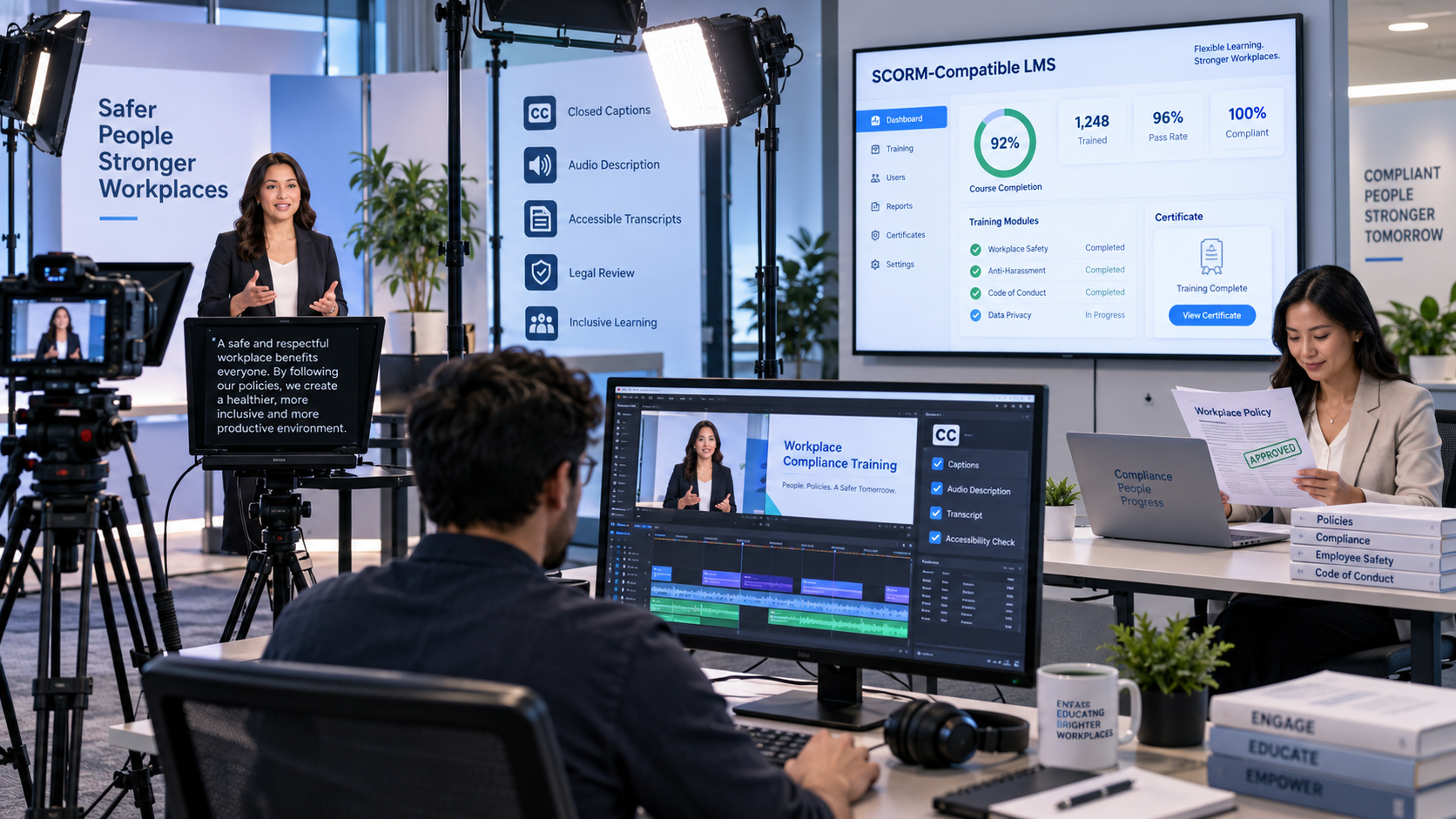
- Well-produced videos can enhance understanding, support engagement, and present complex information in an accessible, considered way across uses such as training, education, and public communication.
- A thoughtful approach to video production can result in adaptable, long-term assets that continue to inform, support, and connect with audiences across regions and communication needs.
Introduction

For government agencies, corporations, nonprofits, schools, and associations, clear, thoughtful communication is essential. In an increasingly visual environment, video has become a practical and effective tool for informing, explaining, and connecting with diverse audiences. However, creating a video alone is not enough; the planning, execution, and intent behind it determine its value.
Video production is important because it allows organizations to communicate complex information clearly and accessibly, using visual context to support understanding. When developed with care, video can translate abstract ideas into clear, engaging narratives that help audiences understand an organization’s mission, services, and priorities. This approach supports credibility and encourages informed engagement among stakeholders, employees, and the public.
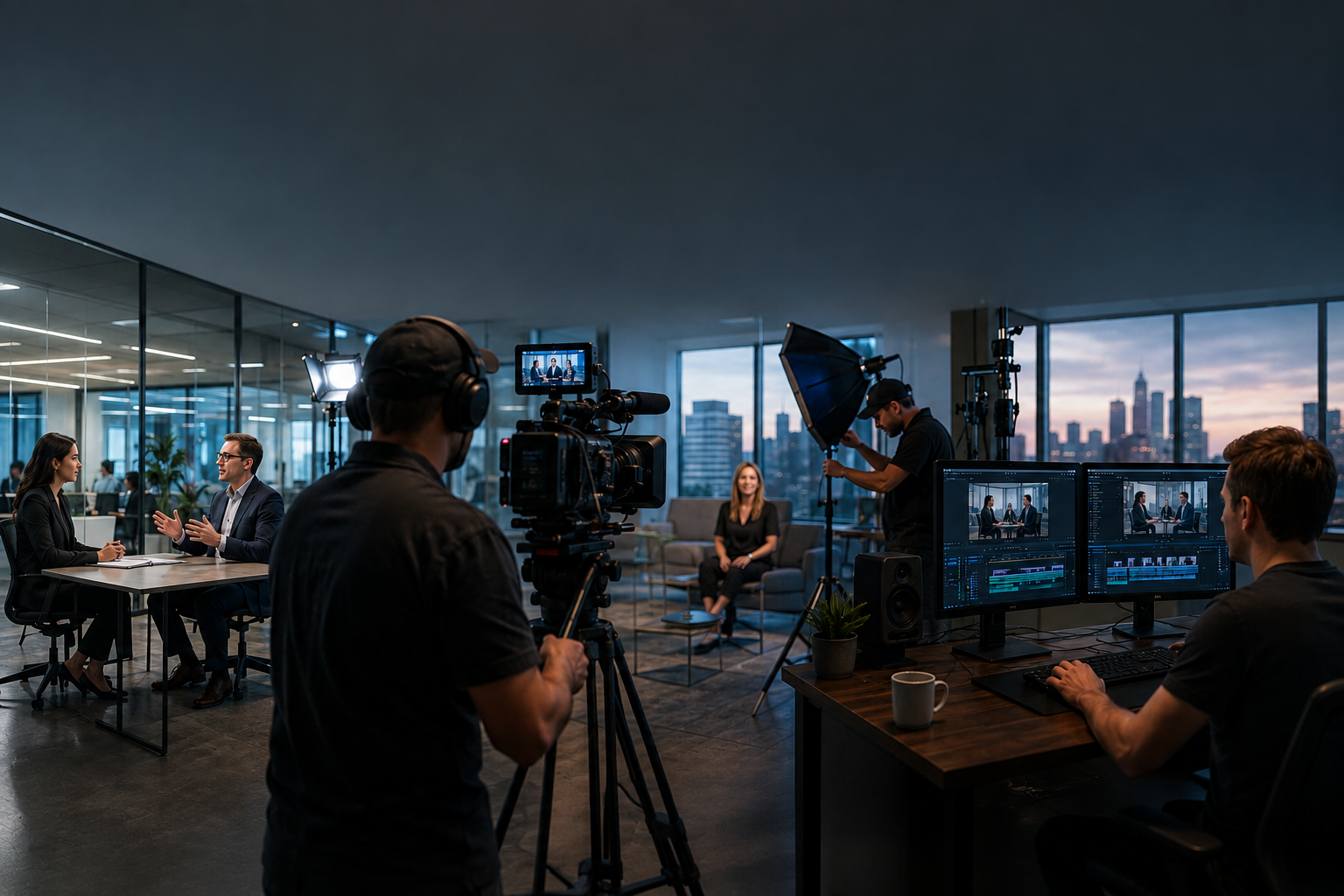
Hiring a professional video production company means working with teams that bring experience in storytelling, technical execution, and strategic planning. These partners help ensure that video content is accurate, consistent, and aligned with organizational goals. Whether based in Washington, D.C., or operating nationally, organizations benefit from a structured, collaborative process that supports quality, consistency, and reliability across projects.
This article outlines ten key benefits of partnering with a professional video production company and explains how experienced video services can strengthen communication efforts, support engagement, and provide lasting value across a range of organizational needs.
Comparing In-House and Professional Video Production
| Feature | In-House Production | Professional Video Production Partner | Organizational Value |
|---|---|---|---|
| Expertise | Limited or mixed skill sets managed alongside other responsibilities | Specialized teams with defined creative, technical, and production roles | Consistent quality and reliable execution |
| Equipment | Basic or consumer-grade tools | Industry-standard cameras, lighting, and audio equipment | Clearer visuals and sound that support credibility |
| Time and Resources | Significant internal time commitment and competing priorities | Structured project management and efficient workflows | Allows teams to stay focused on core responsibilities |
| Strategic Approach | Often reactive or project-by-project | Planned, goal-driven content aligned to communication needs | Supports clarity, consistency, and well-defined communication outcomes |
Video Production Benefits Aligned With Organizational Communication Goals
| Organizational Goal | Video Application | Professional Benefit | Impact Metric |
|---|---|---|---|
| Public Outreach | Explainer videos, public service announcements | Clear, accessible messaging that supports understanding | Greater public awareness and message comprehension |
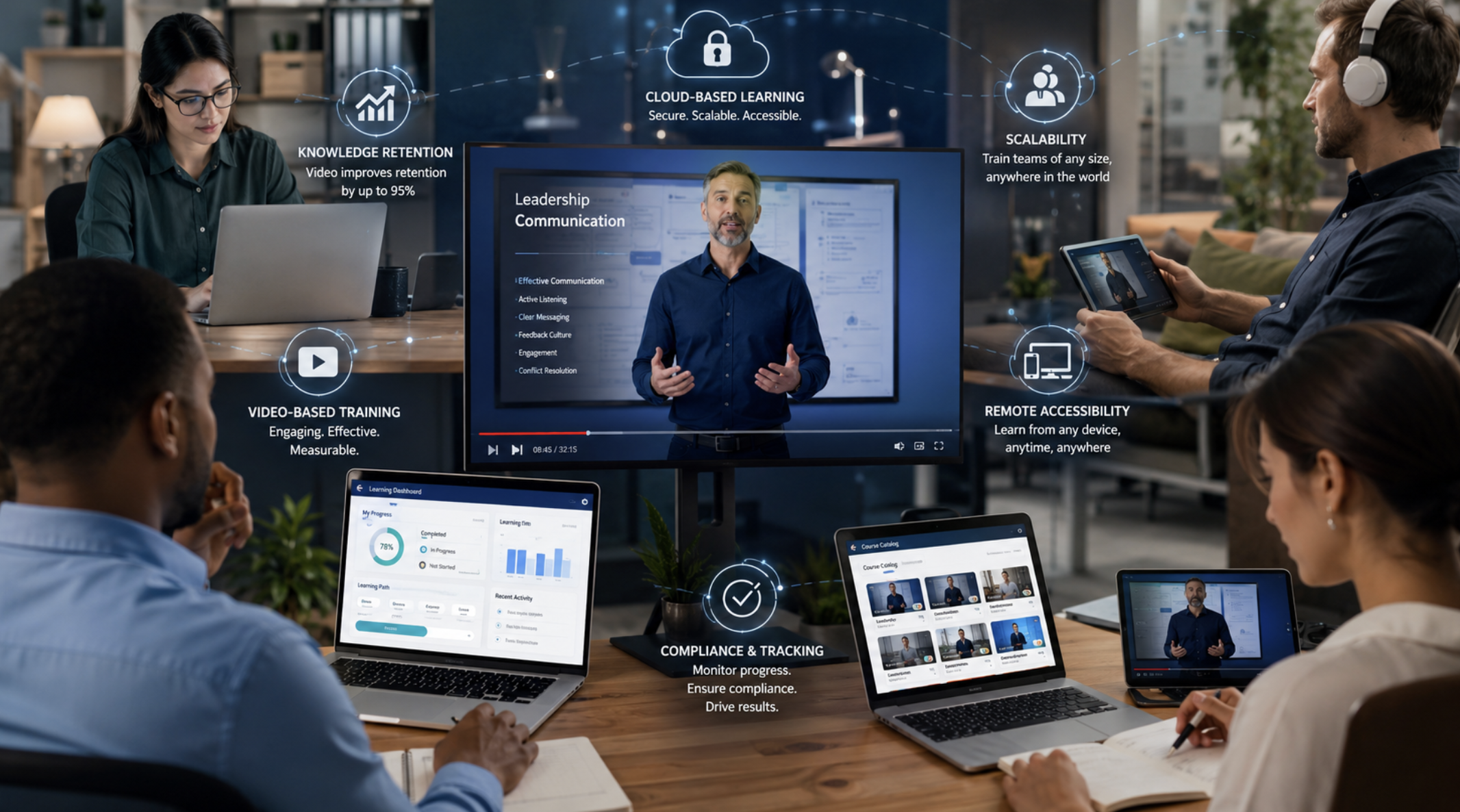
| Employee Training | Onboarding and skill development videos | Consistent, engaging learning experiences | Improved knowledge retention and onboarding continuity |
| Virtual Events | Keynotes, panel discussions, recorded sessions | Reliable production quality and technical consistency | Higher participant satisfaction and sustained engagement |
| Internal Comms | Leadership updates, project briefings | Transparent, human-centered communication | Stronger internal alignment and team connection |
Strategic Planning & Pre-Production Checklist
- Define clear communication objectives and the primary audience for the video.
- Develop a detailed script and storyboard for content flow.
- Secure required internal approvals and confirm budget parameters for production.
- Coordinate logistics, participants, and filming locations to support an organized shoot.
Distribution & Post-Launch Evaluation Checklist
- Distribute the video across relevant channels, including websites, organizational social platforms, and internal communications.
- Monitor engagement indicators such as views, completion rates, and engagement patterns.
- Gather audience feedback for future content improvements.
- Archive video assets and documentation to support long-term use and responsible repurposing.
Table of Contents
Section 1: THE STRATEGIC IMPERATIVE OF PROFESSIONAL VIDEO
Section 2: ENHANCING AUDIENCE ENGAGEMENT AND REACH
Section 3: OPERATIONAL EFFICIENCY AND RESOURCE OPTIMIZATION
Section 4: STORYTELLING AND EMOTIONAL CONNECTION
Section 5: LONG-TERM VALUE AND ADAPTABILITY
Frequently Asked Questions
Section 1: THE STRATEGIC IMPERATIVE OF PROFESSIONAL VIDEO
FAQ 1: Why is video production important for modern organizations?
Video production is important because it provides a clear, accessible way to communicate complex information and connect with audiences across multiple platforms and contexts. Video allows organizations to explain their mission, services, and impact using visual context that supports understanding, accessibility, and transparency. When developed with care, video can help audiences absorb information more easily than text alone and gain practical insight into how programs, services, or initiatives function in real-world settings. As part of a broader communication approach, video supports clarity, consistency, and credibility across internal and external channels.
FAQ 2: How does professional video build trust and credibility?
Professional video builds trust and credibility by presenting information clearly and accurately, with consistent production standards that reflect care, accountability, and intention. Well-considered visuals, balanced sound, and cohesive presentation signal professionalism and attention to detail, helping audiences feel confident in the reliability of the information being shared. For organizations such as government agencies, nonprofits, schools, and associations, professional video can support transparency by showing real people, real work, and real outcomes within an authentic context. When quality and accuracy are prioritized, video becomes a practical way to reinforce credibility and demonstrate a deliberate, responsible approach to communication.
FAQ 3: What role does video play in clarifying complex messages?
Video plays an important role in clarifying complex messages by breaking down detailed or technical topics into clear, visually supported segments. It enables the use of graphics, animations, and real-world examples to provide context and explain concepts that may be difficult to understand through text alone. This visual approach supports comprehension by showing how ideas work in practice and helping audiences process information at a steady, accessible pace. When developed thoughtfully, video helps organizations communicate nuanced work in a way that is accurate, approachable, and easier to retain.
Section 2: ENHANCING AUDIENCE ENGAGEMENT AND REACH
FAQ 4: How does professional video improve audience engagement?
Professional video improves audience engagement by combining clear visual structure, thoughtful storytelling, and reliable audio quality that help audiences stay focused and follow the message with ease. Compared to static formats, video can present information in a more cohesive and accessible way, supporting understanding and recall. Well-produced video also encourages audiences to spend more time with the content and, where appropriate, interact through sharing, discussion, or internal dialogue. For organizations, this level of engagement supports clearer communication and more informed, meaningful connections with intended audiences.

FAQ 5: Can video help reach diverse or remote audiences effectively?
Video can play an important role in reaching diverse or remote audiences by making information accessible across locations, platforms, and viewing contexts. It can be adapted through captioning, translation, and alternative formats to support audiences with different language needs and accessibility requirements. Video also supports varied learning preferences, helping organizations present information in ways that are easier to follow for visual, auditory, or mixed audiences. When used thoughtfully, video enables organizations to share consistent, inclusive messages with audiences who may not be reached through in-person or text-based communication alone.
FAQ 6: What makes professional video more shareable than amateur content?
Professional video is often more shareable than amateur content because it presents information clearly, thoughtfully, and with consistent production standards that audiences feel comfortable passing along. Careful storytelling, balanced visuals, and reliable audio help ensure the message is easy to understand and appropriately represented. When content is polished and well-considered, viewers may feel more confident sharing it within professional or community networks, knowing it reflects accurately on both the organization and the individual sharing it. Clarity, relevance, and usefulness are key factors that encourage organic sharing.
Section 3: OPERATIONAL EFFICIENCY AND RESOURCE OPTIMIZATION
FAQ 7: How does hiring a professional video production company save time and resources?
Hiring a professional video production company saves time and resources by providing specialized expertise, efficient workflows, and dedicated equipment, avoiding the steep learning curve and investment for in-house teams. Professionals handle all aspects from pre-production to post-production, freeing up your staff to focus on their core responsibilities. This efficiency prevents costly mistakes and ensures projects are completed on schedule and within budget. This is a primary video production benefit.
FAQ 8: What technical challenges do professionals overcome that in-house teams might miss?
Professionals address technical challenges such as inconsistent lighting, unclear or uneven audio, unstable camera movement, and complex post-production requirements that in-house teams may not anticipate or have the tools to manage effectively. They apply specialized equipment and hands-on experience to manage these elements consistently, helping ensure the final video is clear, accurate, and well-executed. This level of technical oversight reduces avoidable distractions and supports a viewing experience that keeps attention on the message rather than the mechanics of production.
FAQ 9: How do professionals ensure consistency in branding and messaging?
Professionals ensure consistency in branding and messaging by working collaboratively with organizations to understand brand guidelines, communication priorities, and intended audiences from the outset. These insights are applied consistently throughout the production process, from script development and visual approach to tone, pacing, and graphic elements. This structured, detail-oriented approach helps ensure each video reflects the organization’s identity and supports clear, aligned communication goals.
Section 4: STORYTELLING AND EMOTIONAL CONNECTION
FAQ 10: How do professional videographers craft compelling narratives?
Professional videographers craft compelling narratives by clarifying the core message, identifying the most relevant perspectives, and structuring the story with a clear beginning, middle, and end. They apply thoughtful pacing, visual continuity, and interview-driven storytelling to help audiences follow ideas naturally and understand how information connects in context. This disciplined approach supports narratives that are coherent, engaging, and grounded in purpose rather than effect.
FAQ 11: What is the impact of emotional storytelling in organizational video?
Emotional storytelling in organizational video helps audiences connect more personally with the people, purpose, and context behind a message, making information easier to understand, remember, and relate to. By drawing on shared human experiences, video can support empathy, understanding, and sustained attention without overstating or manipulating emotion. When used thoughtfully, emotional elements reinforce clarity and relevance, helping audiences understand why the work matters and how it affects real people. This approach supports informed engagement rather than passive viewing, aligning with responsible advocacy and clear public communication.
FAQ 12: How does professional video create a lasting impression?
Professional video creates a lasting impression by presenting information with clear, well-considered visuals, balanced audio, and structured storytelling that supports understanding over time. Rather than competing for attention through volume or spectacle, thoughtfully produced video helps audiences absorb key messages and recall them more easily after viewing. Consistent quality and intentional messaging support recognition, comprehension, and continuity across communication efforts, extending impact beyond a single moment or platform.
Section 5: LONG-TERM VALUE AND ADAPTABILITY
FAQ 13: What is the long-term value of professionally produced video assets?
Professionally produced video assets offer long-term value because they are built with durability, clarity, and adaptability in mind, allowing them to be used and reused across multiple platforms, audiences, and communication needs over time. Rather than serving a single, short-term purpose, well-crafted video assets can support ongoing outreach, training, and informational efforts while maintaining consistency and quality. This makes professional video a reliable foundation for sustained communication strategies rather than a one-time deliverable.
FAQ 14: How can video be repurposed across different communication channels?
Video can be repurposed across different communication channels by thoughtfully adapting length, format, and emphasis to match the needs of each platform and audience. A single, well-planned video can be edited into shorter, platform-specific segments for social media, concise clips for email or internal updates, or audio extracts for podcast or webinar use. This approach allows organizations to extend the usefulness of existing content while maintaining message consistency and clarity across channels. Intentional repurposing supports efficient communication planning and helps ensure messages remain accessible and relevant in multiple contexts.
FAQ 15: Why hire a video production company for future-proofing communication?
Hiring a video production company helps support future-ready communication by ensuring content is created using current production standards, adaptable formats, and distribution approaches designed to remain effective as platforms and audience behaviors evolve. Experienced production partners stay informed about changes in technology, accessibility needs, and viewing habits, allowing videos to be planned with flexibility and longevity in mind. This approach helps organizations make thoughtful, durable communication investments that can adapt over time rather than becoming quickly outdated.
.webp)