RaffertyWeiss Media is a Washington DC live event production company serving federal agencies, corporations, associations, nonprofits, and universities across the DC, Virginia, and Maryland region. We produce corporate meetings, annual business meetings, conferences, award ceremonies, town halls, trade shows, and gala celebrations with broadcast-quality video, professional audio, LED displays, and custom staging.
Our seasoned production team handles every element - multi-camera coverage, professional lighting, executive presentation coaching, live graphics, and simultaneous live streaming for remote audiences. With decades of experience producing events for Giant Food, AARP, Department of Labor, Georgetown University, and the American Psychological Association, we deliver the technical excellence and creative vision to make your event exceptional. With decades of experience producing corporate meetings, conferences, and town halls, we deliver the technical excellence and creative vision to make your live event exceptional.
Contact RaffertyWeiss Media today to discuss your next live event.
.webp)
Whether you’re hosting a business/sales meeting, award ceremony, conference, trade show, town hall or gala celebration, RaffertyWeiss Media will create a virtual or live event that people will remember for years to come.
Giant's annual business meeting had outgrown its internal production capabilities. With over 700 associates attending, they needed a capable professional partner to transform their one-day corporate gathering into a memorable experience.
RaffertyWeiss Media reimagined the event from the ground up, delivering:
The enhanced production value revolutionized Giant's annual business meeting. Associates praised the transformation, noting how the elevated experience—from the polished environment to the authenticity of executives’ presentations—made the corporate meeting engaging and memorable. The success of RaffertyWeiss and Giant’s partnership established a new standard for Giant's annual business meetings every year. RaffertyWeiss Media has partnered with Giant Food on their annual business meeting for multiple consecutive years, delivering the same broadcast-quality production standard each time.
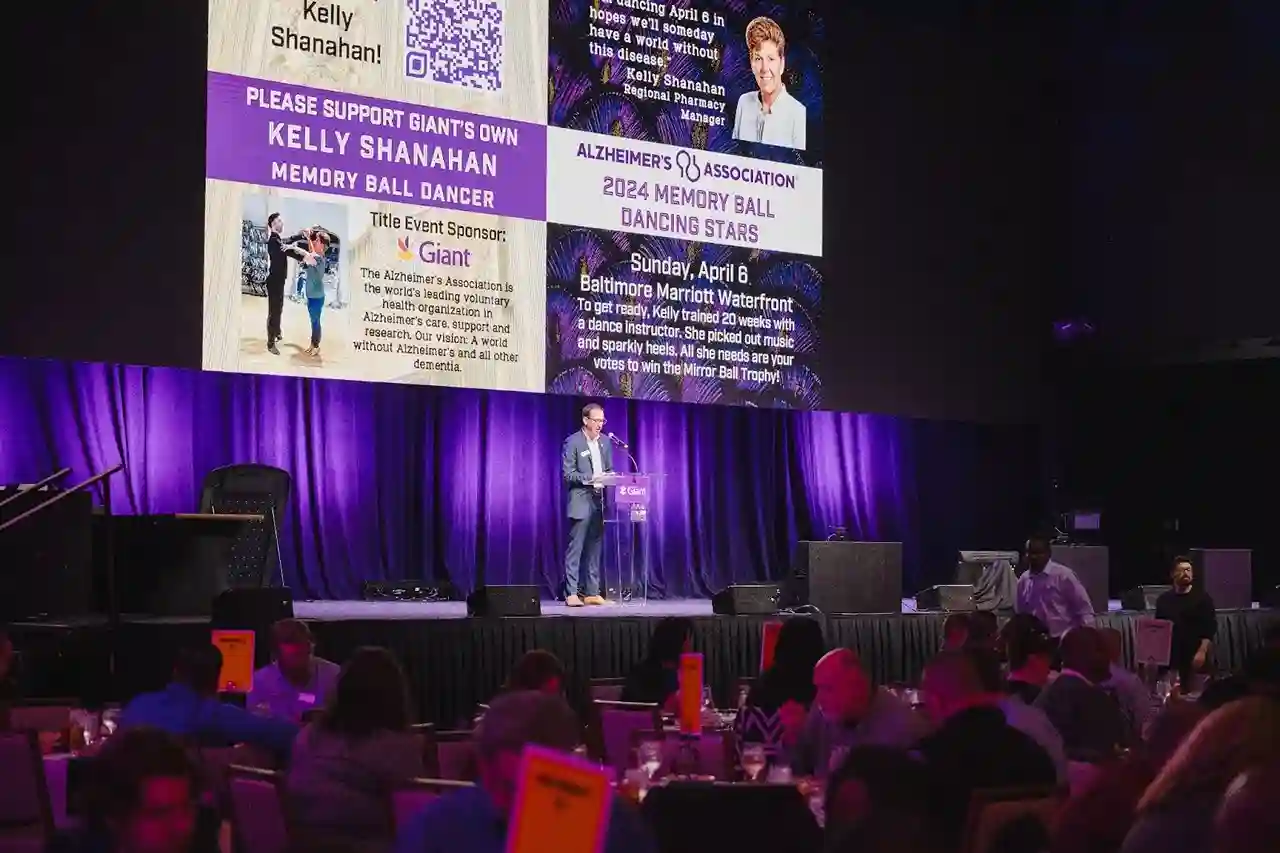
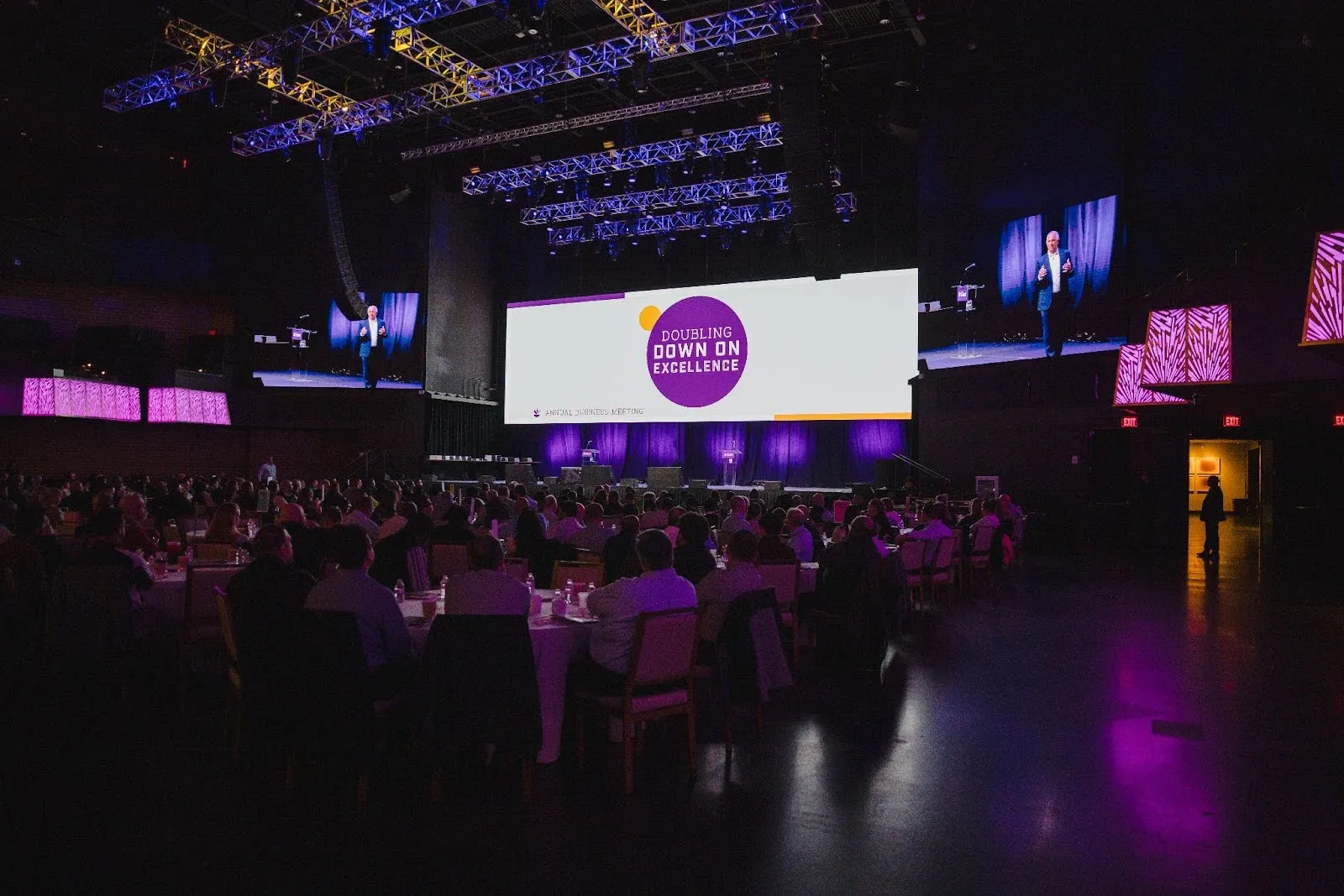
.webp)
In today's world, the impact of a well-executed live event is unmatched. These events create connections, build brands, and leave lasting memories. Yet, behind every excellent presentation and stunning visual is a mix of technical skill, creative vision, and careful planning. This is where a live event production company shines. They do more than rent equipment or set up sound; they are the architects of experiences, turning your ideas into reality. They manage the challenges of venue choice, audio-visual setup, lighting, staging, and even seamless hybrid or virtual delivery. Whether you're launching a new product, hosting an industry conference, or marking a special occasion, the difference between a good event and a memorable one often rests on your production team's expertise. Let's explore live event production and learn how they create experiences that truly last.