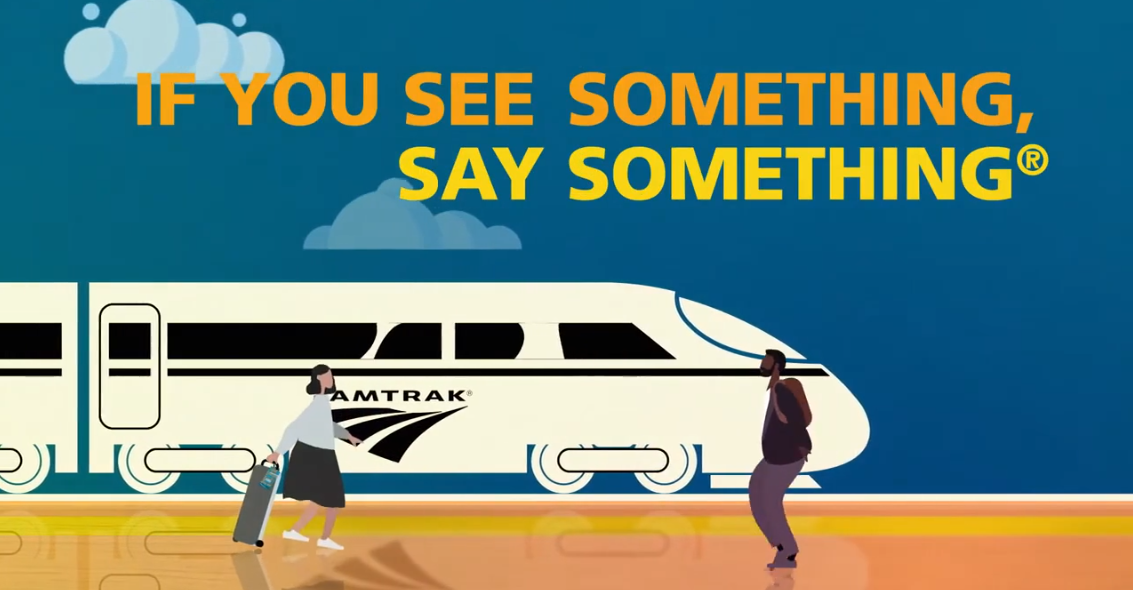
Motion graphics are the most versatile format in our animation toolkit. We use motion design to bring data, statistics, processes, and abstract concepts to life - branded typography, animated charts, icon systems, and kinetic text. Ideal for corporate explainers, government policy communications, social media campaigns, and eLearning modules. Our motion graphics work has been produced for Fannie Mae, Pepco, Amtrak, and the Department of Defense.
We produce animated explainer videos that make complex products, services, and ideas immediately understandable. We build every explainer around a clear narrative structure - problem, solution, proof, call to action. Our explainer video clients include 1Ticket.com, Democracy Fund, and Matan Companies.
Our 2D animation work ranges from simple character-driven stories to fully illustrated animated worlds. Character animation is particularly effective for training content, public outreach campaigns, and brand storytelling where a human face helps audiences connect with the message. We design all characters and environments in-house.
Whiteboard animation and educational animation direct viewer attention step by step, making them ideal for compliance training, policy explainers, and instructional programs. Our educational animation work spans federal agencies, associations, and universities.
We transform data, research findings, statistics, and process flows into animated infographics that communicate briefly. Highly effective for annual reports, advocacy campaigns, conference presentations, and social media.
Short-form branded animation for social media, digital advertising, website headers, and event screens. Looping animations, animated logos, social media reels, and platform-optimized content that communicates your message in the first three seconds.
AARP needed to educate older adults abour driving safely. With all the new technology, bike lanes, weather patterns, etc. its and ever changing landscape for these older population.
RaffertyWeiss produced a series of of 20 short videos and animations that used in AARP SmartDriver programs across the country. The training courses are taught in person and the videos and animations are used to reinforce the programs objectives of educating and informing the older adults about driving safely. We produced this videos in multiple languages including Spanish, Mandarin, Korean and Portuguese. We have won over close to a dozen different industry awards on this video series.
Our animated Smart Driver Course for AARP was named Best Video Design by Design Rush, recognized for its clarity, visual quality, and effectiveness in communicating complex safety information to an older adult audience.




Starting an animation production journey is like conducting an orchestra. Every part, from concept to final render, must work in harmony. It’s a delicate dance between art and technology, where imagination forms, frame by frame. From the fun of Saturday morning cartoons to the stunning realism of blockbuster CGI, animation brings visions to life. My years in media production show that the magic lies not just in the final image but in the careful process behind it. Many begin with a great idea, but the complexity can be overwhelming. Without a clear plan, even the best concepts can get lost in technical challenges and creative compromises. This guide will simplify the animation production pipeline, giving creators, producers, and businesses a strategic overview. We’ll look at key stages, highlight important roles, and arm you with the knowledge to navigate this lively industry. Forget the idea that animation is just for kids – it’s a powerful medium for storytelling, education, and brand building in all sectors. Let’s uncover the secrets to successful animation production.