Unlocking Learning: A Guide to Top e-Learning Video Production Companies Partnering for Impact: Navigating the World of Educational Video Content
eLearning video production companies help organizations turn training goals into structured, engaging lessons that work inside an LMS or blended learning program. The right partner combines instructional design, video expertise, and technical know-how so content is effective and easy to deliver. This guide explains what to look for and how to evaluate eLearning production partners.

Quick Summary / Key Takeaways
- Specialized eLearning video companies offer expertise beyond generic production houses, ensuring pedagogically sound and engaging content tailored for learning outcomes.
- Selecting a partner involves evaluating their instructional design capabilities, technical prowess, portfolio relevance, and post-production support for effective project delivery.
- Budgeting for eLearning video extends beyond shooting costs, encompassing scriptwriting, talent, animation, accessibility features, and revision cycles for quality assurance.
- Effective eLearning videos prioritize learner engagement through interactive elements, clear storytelling, and diverse formats like animated explainers, simulations, or talking heads.
- Post-production and distribution strategies are crucial for maximizing video impact, including platform integration, analytics, and ongoing content updates based on learner feedback.
Introduction
In today's fast-paced digital world, effective learning isn't just about information; it's about engagement, retention, and application. For businesses, educational institutions, and content creators alike, video has emerged as the undisputed champion of dynamic learning. But creating truly impactful eLearning video isn't as simple as hitting record; it demands a nuanced blend of pedagogical insight, storytelling prowess, and technical mastery. Imagine trying to teach complex software to a global team with just a dry manual, or onboarding new hires with endless PowerPoint slides. It's a recipe for disengagement. This is where specialized eLearning video production companies become invaluable partners, transforming abstract concepts into compelling visual narratives that resonate deeply with learners. From explaining intricate scientific theories to demonstrating critical compliance procedures, these companies possess the unique toolkit to craft content that doesn't just inform, but truly educates. They bridge the gap between 'what you want to teach' and 'how learners best absorb it,' turning passive viewing into active learning experiences. Let's delve into how these experts can elevate your educational initiatives.
Key Services Offered by eLearning Video Production Companies
Comparing eLearning Video Production Company Types
Application Preparation Checklist
- Define clear learning objectives and target audience demographics.
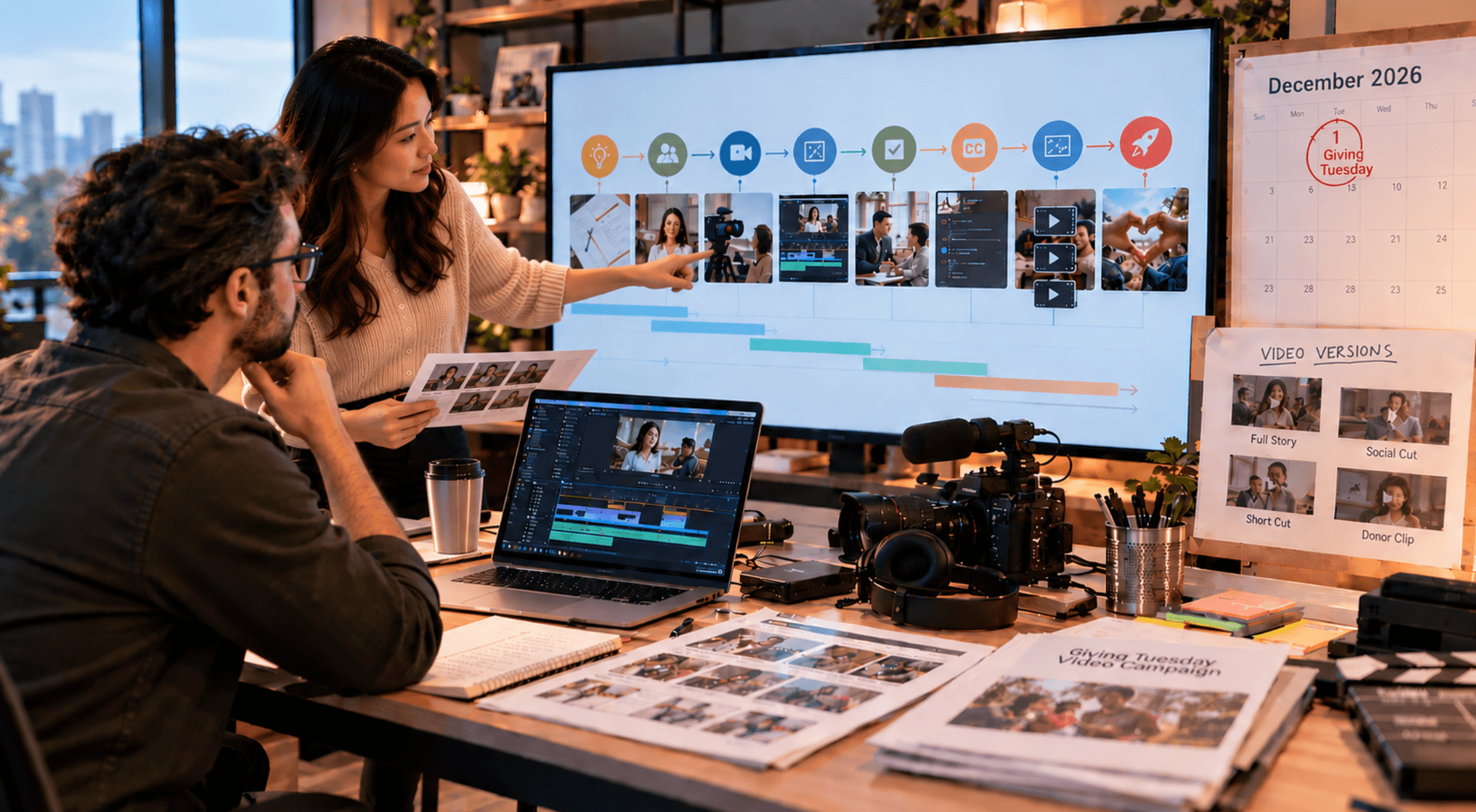
- Develop a comprehensive script and storyboard, getting all stakeholders' approval.
- Secure talent, locations, and necessary props/graphics well in advance.
- Establish a detailed production timeline with key milestones and review points.
Post-Arrival Checklist
- Conduct thorough quality assurance, including accessibility checks (captions, transcripts).
- Integrate the video seamlessly into your Learning Management System (LMS) or platform.
- Monitor initial learner feedback and video engagement analytics post-launch.
- Plan for potential content updates or iterative improvements based on performance data.
Table of Contents
Section 1: Understanding eLearning Video Needs
- What exactly is an eLearning video production company?
- Why can't I just use a generic video production house for my eLearning content?
- What types of eLearning videos are most effective for different learning styles?
- How do I determine if my project requires specialized eLearning video expertise?
- What are the pedagogical benefits of well-produced eLearning videos?
Section 2: Selecting the Right Production Partner
- What key criteria should I use to evaluate eLearning video production companies?
- How important is instructional design expertise in an eLearning video company?
- What questions should I ask prospective companies about their portfolio and process?
- How do budgets typically break down for a professional eLearning video project?
- What role does technology and platform integration play in company selection?
Section 3: Production Process & Maximizing Impact
- What are the typical stages of an eLearning video production project?
- How can I ensure my eLearning videos are engaging and hold learner attention?
- What are essential post-production considerations for eLearning videos?
- How can I measure the effectiveness and ROI of my eLearning video content?
- What are common pitfalls to avoid when working with an eLearning video company?
Frequently Asked Questions
Section 1: Understanding eLearning Video Needs
FAQ 1: What exactly is an eLearning video production company?
An eLearning video production company specializes in creating video content specifically designed for educational purposes, focusing on learning outcomes rather than just entertainment or marketing. These companies integrate instructional design principles, pedagogical strategies, and multimedia expertise to produce engaging and effective learning experiences. They understand how to structure content, utilize visual aids, and incorporate interactivity to maximize knowledge retention and skill development. Unlike general video agencies, their core competency lies in transforming complex information into digestible, learner-centric video modules.
Real Results: A corporate client boosted employee compliance training completion rates by 35% after replacing text-heavy modules with interactive eLearning videos from a specialized firm. This led to a 15% reduction in compliance-related incidents over six months.
Takeaway: Choose a specialist to ensure your video content is not only visually appealing but also pedagogically sound and truly effective for learning.
FAQ 2: Why can't I just use a generic video production house for my eLearning content?
Generic video production houses excel at aesthetics and storytelling for general audiences, but they often lack the specialized pedagogical understanding critical for effective eLearning. They may produce a beautiful video that fails to achieve specific learning objectives or engage learners in a structured way. eLearning requires a deep understanding of cognitive load, spaced repetition, assessment integration, and accessibility, which generalist firms typically do not possess. This can lead to visually appealing but educationally ineffective content.
Real Results: A university department initially used a general film crew, resulting in visually impressive lectures that saw a 20% drop in student quiz scores compared to content from an eLearning specialist, highlighting the educational disconnect.
Takeaway: Prioritize pedagogical expertise over general production polish for educational content to ensure genuine learning occurs.
FAQ 3: What types of eLearning videos are most effective for different learning styles?
Different eLearning video types cater to diverse learning styles and content complexities. Animated explainers excel for conceptual understanding (visual/auditory learners), breaking down complex topics into digestible visuals and narration. Live-action demonstrations or simulations are perfect for kinesthetic and visual learners needing to see processes in action. Talking head videos with graphics can be highly effective for delivering expert insights and personal stories, appealing to auditory and visual learners who value direct instruction. Interactive videos, incorporating quizzes or branching scenarios, engage all learning styles by promoting active participation.
Real Results: A tech company found that using interactive software simulations (kinesthetic) within their onboarding videos reduced support tickets for new users by 25% in the first month compared to screen-recorded tutorials.
Takeaway: Match your video format to your learning objectives and audience's preferred learning styles for maximum impact and engagement.
FAQ 4: How do I determine if my project requires specialized eLearning video expertise?
Your project likely requires specialized eLearning video expertise if its primary goal is to impart specific knowledge, teach new skills, or change behavior, rather than simply inform or entertain. If your content needs to align with learning objectives, integrate into an LMS, track learner progress, or incorporate advanced instructional design principles, a specialist is essential. Projects involving complex topics, compliance training, professional development, or large-scale corporate education significantly benefit from this tailored approach. A good indicator is if the success metrics are based on learning outcomes, not just views.
Real Results: A medical device company chose an eLearning specialist for a complex device training series, resulting in a 90% pass rate on certification exams, a significant improvement over previous text-based methods.
Takeaway: If learning outcomes are your primary success metric, invest in specialized eLearning video expertise for effective results.
FAQ 5: What are the pedagogical benefits of well-produced eLearning videos?
Well-produced eLearning videos significantly enhance learning by improving engagement, comprehension, and retention. They can break down complex information into easily digestible segments, using visuals and audio to reinforce key concepts and cater to diverse learning styles. The dynamic nature of video helps maintain learner attention more effectively than static text. Additionally, consistent visual branding and clear narration from professional videos can build trust and credibility, leading to a more positive and productive learning experience. They also offer flexibility for self-paced learning and accessibility.
Real Results: A study showed that learners exposed to professionally designed eLearning videos retained 40% more information over a 3-month period compared to those who only read accompanying text documents.
Takeaway: Invest in high-quality eLearning videos to boost learner engagement, comprehension, and long-term knowledge retention across your programs.
FAQ 6: What makes an eLearning video production company different from a general video vendor?
An eLearning-focused company brings instructional design expertise, understands learning objectives, and knows how to structure content for LMS environments. They balance pedagogy and production quality.
↑ Back to Table of Contents
FAQ 7: How long should eLearning videos be?
Short, focused segments—often 3–10 minutes—are usually best for knowledge retention and completion rates. Longer courses can be built from multiple modules.
↑ Back to Table of Contents
Section 2: Selecting the Right Production Partner
FAQ 8: What key criteria should I use to evaluate eLearning video production companies?
When evaluating eLearning video production companies, prioritize their instructional design capabilities, not just their video production quality. Look for a strong portfolio showcasing relevant experience in your industry or with similar learning objectives. Assess their understanding of learning theory, their project management methodology, and their capacity for scalability. Crucially, consider their communication style, responsiveness, and ability to collaborate effectively throughout the entire project lifecycle. Finally, scrutinize their post-production support, including revision policies and accessibility features.
Real Results: After evaluating five companies, a client chose one based on their proven instructional design process and strong client testimonials, leading to a project delivered 15% under budget and with exceptional learner feedback.
Takeaway: Focus on instructional design expertise, relevant portfolio, and clear communication when selecting your eLearning video partner.
FAQ 9: How important is instructional design expertise in an eLearning video company?
Instructional design expertise is paramount for an eLearning video company, arguably more important than pure cinematic flair. It ensures that videos are not just visually appealing but are fundamentally structured to facilitate learning, meet specific objectives, and engage the target audience effectively. Companies with strong instructional designers can transform raw content into compelling learning narratives, incorporate effective pedagogical techniques, and design assessments that truly measure comprehension. Without it, even a beautiful video can fail to educate. It's the backbone of effective learning content.
Real Results: A company that prioritized instructional design saw an 85% completion rate for a mandatory course, compared to 60% for a similar course developed without strong instructional design input.
Takeaway: Instructional design is the foundation of effective eLearning video; prioritize it to achieve meaningful learning outcomes.
FAQ 10: What questions should I ask prospective companies about their portfolio and process?
When reviewing portfolios, ask to see examples that are directly relevant to your industry or learning content type, not just their 'best' work. Inquire about their typical project workflow, including their approach to scriptwriting, storyboarding, and client review cycles. Ask how they ensure content accuracy and subject matter expert (SME) collaboration throughout the production. Crucially, question their strategies for incorporating interactivity, accessibility features (e.g., captions, transcripts), and post-launch analytics into their deliverables. Understanding their revision policy is also key.
Real Results: By asking detailed questions about process and examples, one client uncovered that a prospective vendor lacked experience with SCORM compliance, avoiding a costly rework later in the project lifecycle.
Takeaway: Probe deeply into a company's portfolio relevance, workflow, and commitment to instructional design and accessibility.
FAQ 11: How do budgets typically break down for a professional eLearning video project?
Budgets for professional eLearning video projects typically encompass several key areas beyond just the actual filming. A significant portion goes to pre-production, including instructional design, scriptwriting, storyboarding, and securing talent or voiceovers. Production costs cover filming, animation, motion graphics, and music licensing. Post-production is also a substantial element, involving editing, sound design, visual effects, and crucially, incorporating accessibility features like captions and transcripts. Revision cycles and project management fees are also standard components. Factors like video length, complexity, and animation needs heavily influence the final cost.
Real Results: A 5-minute animated explainer for a new product, including script, voiceover, and two revision rounds, cost a client approximately $7,000-$15,000, illustrating the multi-faceted nature of video budgeting.
Takeaway: Understand that eLearning video budgets cover pre-production, production, and post-production, with complexity dictating the final investment.
FAQ 12: What role does technology and platform integration play in company selection?
Technology and platform integration play a critical role in company selection, as your eLearning videos must function seamlessly within your existing learning ecosystem. The chosen company should understand various Learning Management Systems (LMS) or Learning Experience Platforms (LXP) and be able to deliver files in compatible formats (e.g., SCORM, xAPI, MP4). Their technical capabilities should extend to optimizing videos for different devices and internet speeds. Discussing their approach to video hosting, analytics integration, and future-proofing content for evolving platforms is crucial during the selection process.
Real Results: One company selected a vendor whose videos were fully optimized for their custom LMS, reducing loading times by 40% and drastically improving learner access and reducing tech support calls.
Takeaway: Ensure your chosen production company has strong technical expertise and understands your platform's integration requirements.
FAQ 13: What should we look for in an eLearning video partner?
Evaluate their experience with similar audiences, familiarity with your LMS or platforms, portfolio quality, and ability to break topics into clear learning modules. Ask about captions, transcripts, and accessibility as well.
↑ Back to Table of Contents
Section 3: Production Process & Maximizing Impact
FAQ 14: What are the typical stages of an eLearning video production project?
An eLearning video production project typically follows three main stages: pre-production, production, and post-production. Pre-production involves defining learning objectives, audience analysis, scriptwriting, storyboarding, and securing all necessary resources like talent and locations. The production stage is where the actual filming or animation takes place, bringing the script and storyboard to life. Post-production focuses on editing, sound design, visual effects, adding graphics, incorporating accessibility features (captions, transcripts), and preparing the final video files for distribution and platform integration. Each stage involves client review and feedback.
Real Results: A well-managed project for a financial training module completed all stages within a 10-week timeline, adhering to the budget and delivering high-quality, SCORM-compliant content.
Takeaway: Understand the three core stages – pre-production, production, and post-production – to effectively manage your eLearning video project.
FAQ 15: How can I ensure my eLearning videos are engaging and hold learner attention?
To ensure eLearning videos are engaging and hold learner attention, focus on compelling storytelling, dynamic visuals, and opportunities for interaction. Start with a strong hook to immediately grab interest, then break down content into short, digestible segments to prevent cognitive overload. Incorporate a variety of visual elements like animations, graphics, and demonstrations to keep the eye moving. Encourage active learning through embedded questions, quizzes, branching scenarios, or calls to action within the video. Maintaining a conversational tone and clear narration also significantly boosts engagement.
Real Results: By adding short, interactive quizzes every 2-3 minutes within a 15-minute compliance video, a company saw average watch times increase from 60% to over 90% of the video's length.
Takeaway: Integrate interactive elements, compelling visuals, and concise storytelling to maximize learner engagement and retention in videos.
FAQ 16: What are essential post-production considerations for eLearning videos?
Essential post-production considerations for eLearning videos go beyond basic editing to ensure pedagogical effectiveness and broad accessibility. This includes precise editing to maintain flow and eliminate distractions, professional audio mixing for clear narration, and incorporating on-screen graphics to reinforce key information. Crucially, comprehensive accessibility features like accurate closed captions, transcripts, and audio descriptions must be integrated. Finally, optimization for various viewing platforms and devices, along with proper file compression and LMS compatibility (SCORM/xAPI), are vital for seamless deployment.
Real Results: Ensuring all videos had 100% accurate captions increased course completion for hearing-impaired learners by 20% and significantly improved overall searchability and content discoverability.
Takeaway: Prioritize accessibility, technical optimization, and clear communication in post-production to maximize your eLearning video's reach.
FAQ 17: How can I measure the effectiveness and ROI of my eLearning video content?
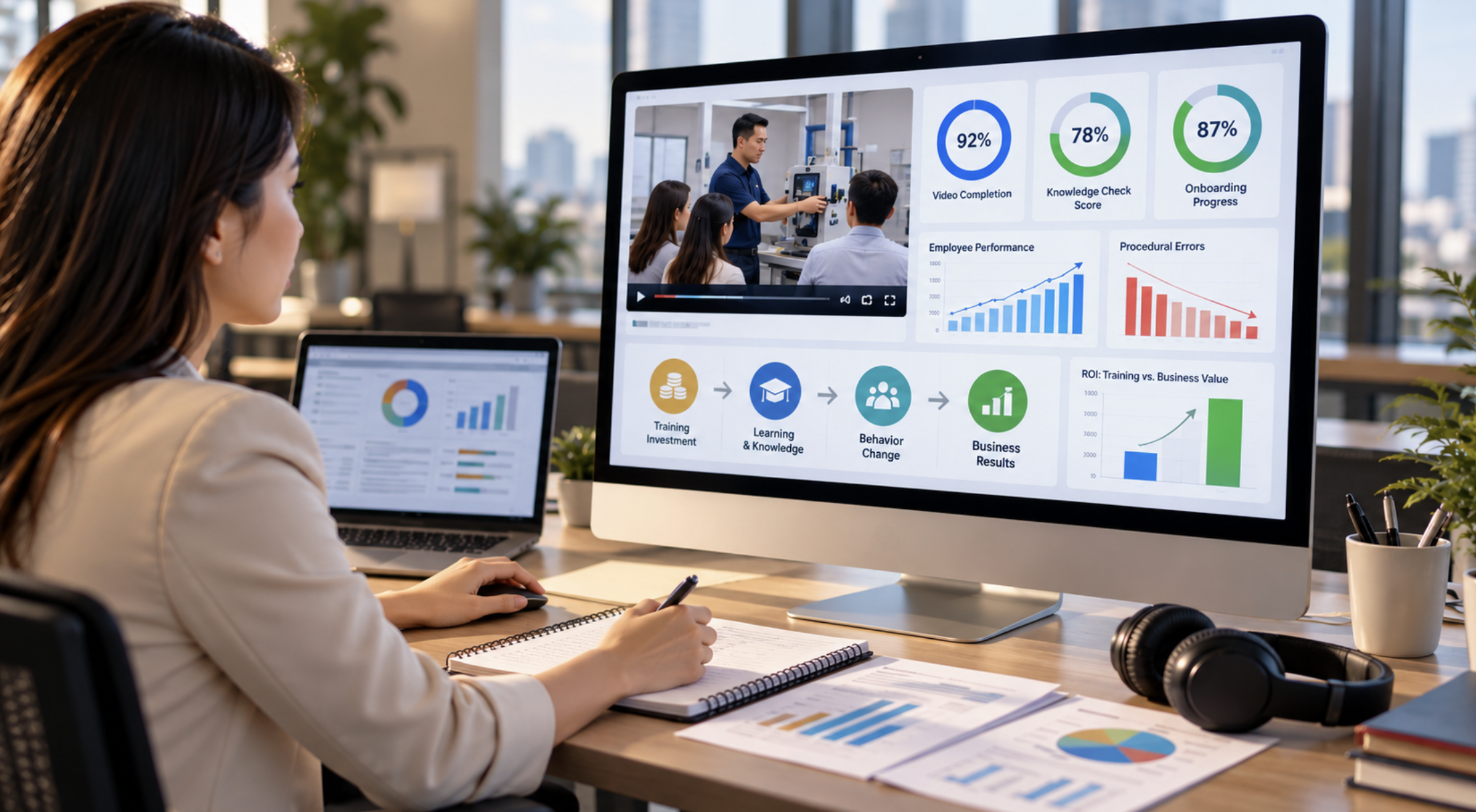
Measuring the effectiveness and ROI of eLearning video content involves tracking a combination of qualitative and quantitative metrics. Key metrics include completion rates, learner engagement (e.g., watch time, interaction clicks), and performance on embedded quizzes or assessments. Post-training surveys can capture learner satisfaction and perceived utility. For ROI, compare improvements in specific business metrics, such as reduced training time, increased productivity, lower error rates, or improved compliance scores, against the initial investment in video production. Aligning video goals with measurable outcomes from the outset is crucial.
Real Results: A sales training video series led to a 10% increase in average quarterly sales per trainee and a 30% reduction in new hire ramp-up time, demonstrating clear ROI within 9 months.
Takeaway: Track completion rates, engagement, and business impact metrics to accurately assess the effectiveness and ROI of your eLearning videos.
↑ Back to Table of Contents
FAQ 18: What are common pitfalls to avoid when working with an eLearning video company?
Common pitfalls when working with an eLearning video company include failing to clearly define learning objectives upfront, resulting in content that misses the mark. Another major trap is neglecting to provide consistent and timely feedback during review cycles, which can cause significant delays and budget overruns. Underestimating the importance of instructional design or trying to cut corners on script development can severely hamper video effectiveness. Finally, overlooking accessibility requirements or not discussing post-launch support and analytics integration early on can lead to compliance issues or limited insights into learner performance.
Real Results: A project faced a 3-week delay and 15% budget increase due to unclear initial objectives and inconsistent client feedback during script and storyboard review stages.
Takeaway: Clearly define objectives, provide consistent feedback, prioritize instructional design, and address accessibility early to avoid common pitfalls.
↑ Back to Table of Contents
FAQ 19: How do we measure success for eLearning videos?
Use LMS data like completion rates, quiz scores, and time spent, plus real-world performance metrics where possible. Learner feedback and supervisor observations add important context.
↑ Back to Table of Contents
Article Summary
Find top eLearning video production companies for impactful learning content. Master selection criteria, budgeting, and production processes. Maximize educational video ROI for your organization.
.webp)