PSA video production in Washington, DC for teams that need a fast, approved message
A public service announcement is a short, non-commercial message that promotes a government or nonprofit program, and broadcasters typically run it in 60-, 30-, 20-, or 15-second slots. That compression is the easy part to understand and the hard part to execute: a 30-second spot carries roughly 75 to 90 words of dialogue, so every word has to survive legal, policy, and leadership review without losing accuracy.
For federal and public sector teams, the real work in public service announcement production is rarely the shoot. It's moving a script through stakeholders, clearing claims, captioning for Section 508 compliance, and cutting versions sized for broadcast, social, and radio before the campaign date. Four criteria tend to decide the hire: turnaround speed, compliance handling, accessibility, and distribution planning.
RaffertyWeiss Media is a Washington, D.C. video production company that takes on quick-turnaround PSA work, with PSAs produced for organizations including the CDC, SAMHSA, and the Maryland Department of Health.
What follows: what strong PSA video production looks like, how this process runs, how PSAs differ from commercials, and what to ask before signing.
What a strong PSA production company should handle beyond the script
A public service announcement is one of the most constrained formats in video. A 30-second spot carries roughly 75–90 words of dialogue, so every line has to be accurate, plainly worded, and defensible under review — a different discipline from promotional work, where the message has room to breathe. Federal Communications Commission rules tighten it further for broadcast: PSAs are expected to avoid pricing, donation asks, and comparative claims.
That makes approvals an operational question, not an afterthought. Ask a prospective partner how it sequences review: who signs off on the script before the shoot, how legal, program staff, and public affairs feedback is consolidated into one round per cut, and what happens when a reviewer joins late. Agencies working with a studio that understands federal approval chains lose fewer weeks than those discovering the process mid-edit.
Accessibility belongs in the same conversation. Section 508 compliant captions, audio description, and legible on-screen text should be scoped at the start, alongside plain-language scripting for general audiences.
Distribution shapes production too. RaffertyWeiss Media's public service announcement services page lists broadcast, social, radio, multilingual, animated, and series formats — decisions best made before cameras roll, not after.
How RaffertyWeiss Media handles PSA projects from pre-production through delivery
RaffertyWeiss Media describes its PSA work as six connected stages: strategy, creative development, production, post-production, accessibility, and distribution planning. For agencies working against a campaign launch or a legislative deadline, the sequencing matters more than any single stage.
Pre-production settles the one message the spot will carry, the script, and the format — a direct-to-camera appeal, an animated explainer, a testimonial — before a crew is booked. It is also where the approvals map gets drawn: who reviews the script, who clears the talent, who signs off on final audio. Scripts stay tight by necessity; the company's own guide notes a 30-second spot holds roughly 75 to 90 words at a natural pace.
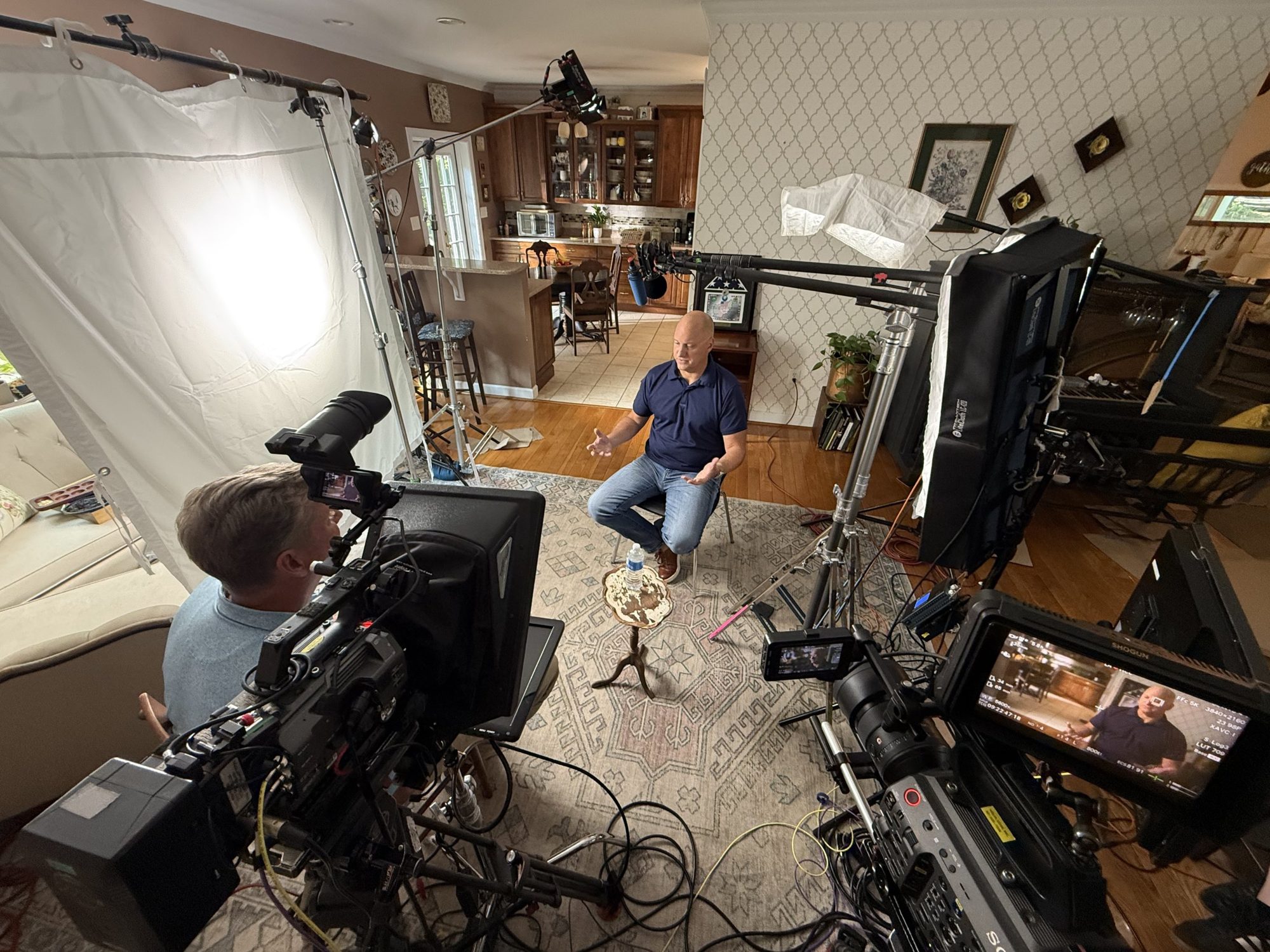
Production runs on location across the District and the surrounding region, scheduled around agency availability rather than the other way around. The company says it covers pre-production planning, scripting, on-location filming, and final delivery for federal partners, with familiarity in compliance requirements and internal approval processes.
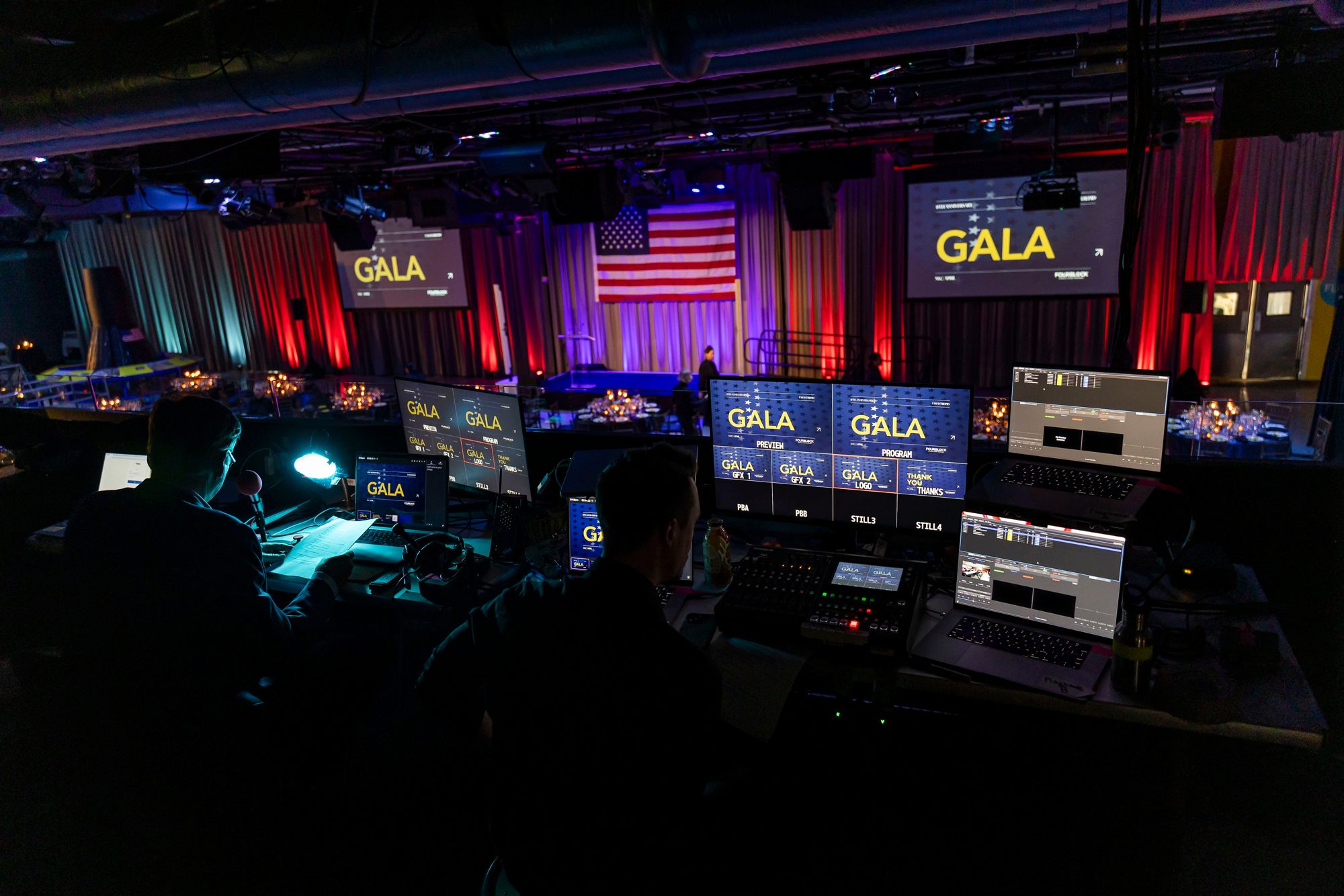
Post-production covers editing, motion graphics, captioning, and versioning — cutting broadcast, social, and radio variants from one shoot. Listed formats include broadcast TV, social media, radio, multilingual, and animated PSAs, plus full series production. Work is delivered across Washington, D.C., Maryland, and Virginia, including Baltimore, and prepared for national distribution where a campaign calls for it.
PSA video production versus commercial video: different goals, different approvals
A commercial exists to move a product. A public service announcement, under the federal definition broadcasters work from, promotes the programs or services of a government agency or nonprofit, or carries information serving the public interest — and it typically airs without charge. That difference reshapes everything downstream. Commercial spots can use comparative claims and price points; PSAs generally cannot, and stations apply their own content standards before they accept one.
The approval path differs just as much. A brand spot may clear through one marketing lead. A PSA usually passes through program staff, public affairs, legal or policy review, and leadership — each with authority to change a line. Because messaging must stay accurate and policy-safe, scripting carries real weight: RaffertyWeiss Media's step-by-step PSA guide notes a 30-second spot holds roughly 75 to 90 words, so a single edit in review can consume a tenth of the message.
That is the work RaffertyWeiss Media is built around — 25 years of public service announcement production for organizations including the CDC, SAMHSA, the Maryland Department of Health, and the Prevent Cancer Foundation, with broadcast, social, radio, multilingual, and animated versions planned for distribution from the start.
The honest tradeoff: studios centered on brand advertising often bring stronger consumer campaign concepts. For approval-heavy work in government, healthcare video production, associations, and nonprofits, compliance-aware process matters more.
When a Washington, DC PSA partner is the right fit for government, nonprofit, and healthcare teams
Federal and public affairs teams rarely struggle with the shoot — they struggle with the review cycle. A spot that passes through program staff, legal, and communications leadership needs a producer who plans for those rounds up front. RaffertyWeiss Media's Washington, D.C. page says the company works within agency compliance requirements, approvals processes, and communication standards from pre-production planning through final delivery.
Nonprofit and advocacy teams usually face the opposite pressure: an awareness campaign tied to a hearing, observance month, or news moment. Here, message discipline matters most — roughly 75 to 90 words of dialogue carry a 30-second spot.
Health and public safety work raises the bar again. Clinical accuracy, plain-language scripts, captioning, and multilingual versions determine whether the audience trusts the message. The company's PSA work includes projects for the CDC, SAMHSA, and the Maryland Department of Health.
Proximity helps. A D.C.-based crew knows regional institutions and shot permissions, and can extend to Baltimore or broader Mid-Atlantic locations when a campaign requires it.
FAQ: turnaround time, public sector use cases, and Washington, DC service area
How fast can a PSA move from planning to final delivery?
Timing depends less on filming than on approvals. When reviewers are identified during pre-production and script sign-off is scheduled rather than assumed, a 30-second spot moves quickly — in part because the script is short. RaffertyWeiss Media's step-by-step PSA guide notes that a 30-second piece carries roughly 75–90 words of dialogue. Multi-round legal, communications, and leadership reviews are the usual schedule driver, so build them into the calendar at kickoff.
Does this work for government agencies and nonprofits?
Yes. Public service announcement production for federal agencies, nonprofits, healthcare organizations, associations, and public safety teams is a core focus. RaffertyWeiss Media says it has produced PSAs with federal partners including the CDC, SAMHSA, and the Defense Safety Oversight Council, and for organizations including the Prevent Cancer Foundation and the Maryland Department of Health. Accessibility — captions, transcripts, Section 508 compliant deliverables — is planned with the edit, not bolted on afterward.
What's the service area?
Washington, D.C., plus Maryland and Virginia, with national distribution for campaigns that run beyond the region. Teams buying corporate video production in DC, healthcare video production, or training content work with the same crew.
Which formats are available?
Broadcast TV, social, radio, multilingual, and animated PSAs, plus series production when one message needs several versions.
For PSA video production in Washington, DC, contact RaffertyWeiss Media.