Mastering Nonprofit Video Production: Impactful Storytelling for Good
From Authentic Storytelling to Strategic Funding: Master Video for Your Mission
Quick Summary / Key Takeaways
- Authenticity is your superpower: Nonprofit videos thrive on genuine stories and real human connection, not slick production value alone. Focus on the 'why' behind your mission.
- Strategy over spectacle: Before hitting record, define your video's specific goal (e.g., fundraising, awareness, volunteer recruitment) and target audience to maximize its impact.
- Budget wisely, not lavishly: Resourcefulness is key. High-quality nonprofit video can be achieved through smart planning, in-kind donations, and leveraging accessible tools, not just huge budgets.
- Distribute with intent: A powerful video is useless if no one sees it. Develop a robust distribution plan across your website, social media, email campaigns, and events to reach your audience effectively.
- Measure what matters: Don't just publish and forget. Track engagement, conversions, and feedback to understand your video's effectiveness and inform future content strategies.
Introduction
In the bustling digital landscape, where attention spans are fleeting, a powerful video can cut through the noise and deliver your nonprofit's message straight to the heart. It's not just about flashy cameras or viral trends; it's about authentic storytelling that resonates, educates, and inspires action. For nonprofits, video isn't merely a marketing tool; it's a window into the world you're striving to build. It’s the difference between telling someone about the child you helped and showing their hopeful smile. It’s the bridge between a donor’s intention and a tangible impact. Without it, you're leaving a crucial piece of your story untold. This guide will walk you through the essential steps of nonprofit video production, from initial concept to post-launch promotion. We'll explore how to craft compelling narratives, leverage limited resources, and measure your success, ensuring your videos don't just exist, but truly make a difference.
Nonprofit Video Types & Their Strategic Goals
| Video Type | Primary Goal | Ideal Length | Key Performance Indicator (KPI) |
|---|---|---|---|
| Impact Story/Testimonial | Inspire empathy & donations | 1-3 minutes | Donation conversions, shares |
| Explainer/Awareness | Educate & build understanding | 1-2 minutes | Website traffic, unique views |
| Campaign Launch | Generate excitement & support | 30-90 seconds | Campaign sign-ups, pledges |
| Event Highlight | Recap success & foster community | 2-4 minutes | Social media engagement, event attendance |
Typical Budget Allocation for Nonprofit Video Projects
| Budget Category | Typical % Range | Examples of Costs | Key Consideration |
|---|---|---|---|
| Pre-Production (Planning) | 15-25% | Scriptwriting, storyboarding, location scouting | Strong foundation saves costs later |
| Production (Filming) | 40-50% | Crew, equipment rental, talent (if any), travel | Optimize for efficiency and quality |
| Post-Production (Editing) | 25-35% | Editing software, motion graphics, music, voiceover | Visual storytelling is crafted here |
| Distribution & Promotion | 5-10% | Ad spend, platform fees, analytics tools | Ensures your video reaches its audience |
Application Preparation Checklist
- Finalize script and storyboard, ensuring mission alignment.
- Secure necessary permits, releases, and talent agreements.
- Confirm equipment functionality and backup strategies.
- Develop a detailed shoot schedule and shot list for efficiency.
Post-Arrival Checklist
- Publish video across all planned channels (website, social, email).
- Monitor initial engagement metrics and audience reactions.
- Engage with comments and shares to build community.
- Repurpose video content into shorter clips or GIFs for continued promotion.
Table of Contents
Section 1: The Power of Story
- Why is video essential for nonprofit organizations today?
- How can nonprofits identify compelling stories within their mission?
- What makes a nonprofit video truly authentic and engaging?
Section 2: Strategic Planning
- What are the critical steps in planning a nonprofit video project?
- How do you define the target audience and primary goal for your video?
- What budget considerations are unique to nonprofit video production?
- How can a nonprofit leverage existing resources for video content?
Section 3: Production & Execution
- What are key elements of a powerful nonprofit video script?
- How important is visual quality versus emotional impact in nonprofit video?
- What are common mistakes to avoid during video production?
- How can volunteers or staff be trained to assist with video production?
Section 4: Distribution & Impact
- What are the most effective platforms for distributing nonprofit videos?
- How can nonprofits optimize their videos for maximum reach and engagement?
- How do you measure the success and ROI of a nonprofit video campaign?
- What are best practices for repurposing video content across channels?
Frequently Asked Questions
Section 1: The Power of Story
FAQ 1: Why is video essential for nonprofit organizations today?
Video is essential for nonprofits today because it is the most powerful medium for emotional connection, allowing organizations to vividly demonstrate impact and inspire action in ways text alone cannot. In a digitally saturated world, video captures attention faster, explains complex issues simply, and builds trust by showing real faces and real stories. It makes abstract problems concrete and allows potential supporters to witness the tangible results of their contributions. Ultimately, video humanizes your mission and creates a memorable, shareable experience that drives engagement and fundraising.
FAQ 2: How can nonprofits identify compelling stories within their mission?
Nonprofits can identify compelling stories by actively listening to their beneficiaries, staff, and volunteers, focusing on personal transformations, challenges overcome, and moments of significant impact. Start by creating a story bank where staff can submit anecdotes and observations, then look for recurring themes or particularly poignant individual journeys. Conduct interviews, hold informal conversations, and seek out individuals whose experiences embody your organization's core values and the change you're striving to create. The most powerful stories often reside in the everyday moments that illustrate resilience, hope, and the human spirit.
FAQ 3: What makes a nonprofit video truly authentic and engaging?
A nonprofit video becomes truly authentic and engaging when it prioritizes genuine emotion, relatable human experiences, and an unvarnished truth over polished perfection or corporate messaging. This means featuring real individuals, allowing their voices to be heard without excessive scriptwriting, and embracing vulnerability in storytelling. Using natural settings, avoiding overly slick production that might feel disingenuous, and focusing on the unfiltered 'why' behind your mission fosters trust and connection. An engaging video resonates because it feels honest, allowing viewers to see themselves or their values reflected in the narrative, thus inspiring a heartfelt response.
Section 2: Strategic Planning
FAQ 4: What are the critical steps in planning a nonprofit video project?
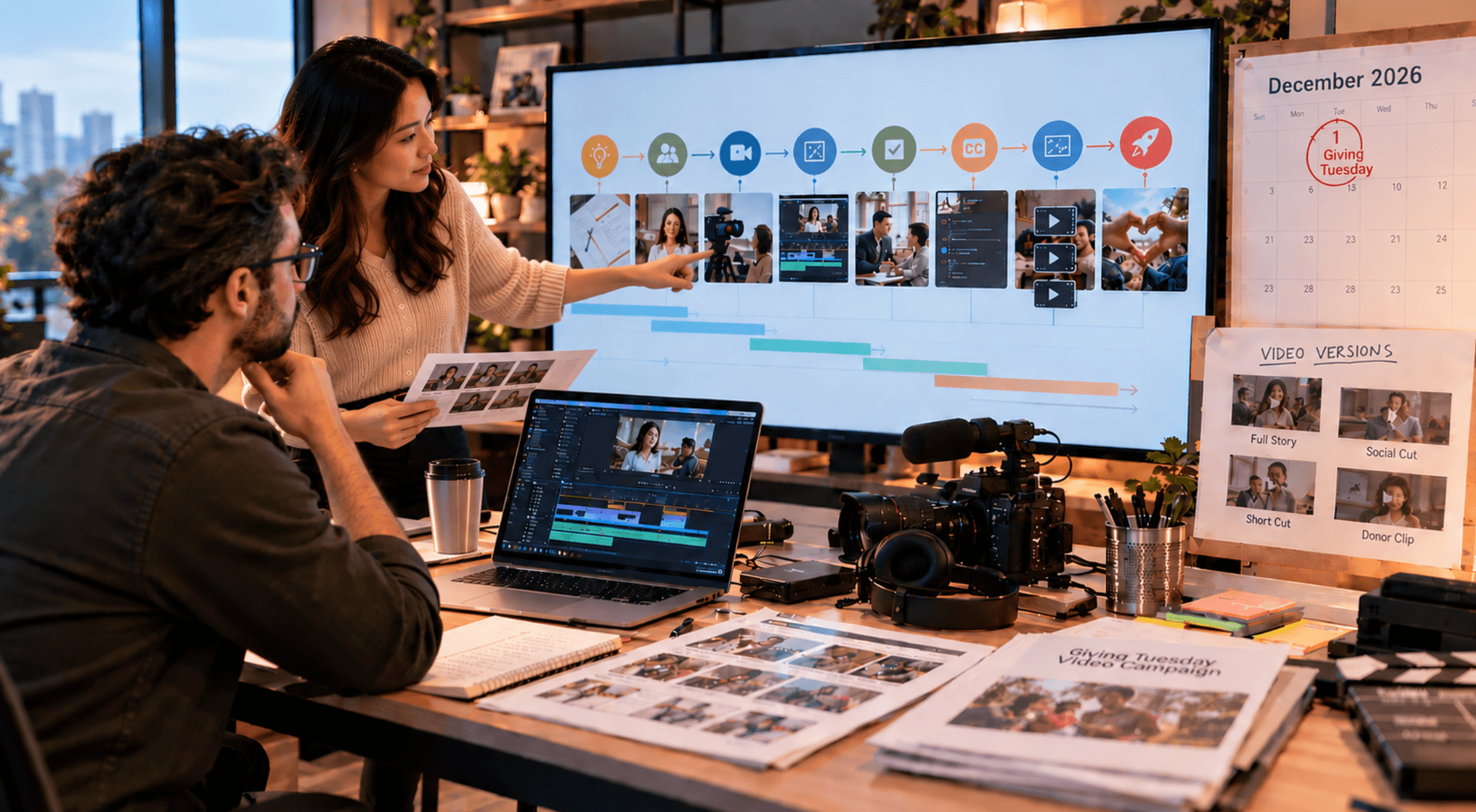
The critical steps in planning a nonprofit video project begin with clearly defining your objective and target audience, as these foundations dictate all subsequent decisions. Next, develop a concise message and a compelling story that aligns with your mission and resonates with your intended viewers. Following this, create a detailed script or storyboard, outline your budget and resource allocation, and establish a realistic timeline for production and distribution. Thorough planning ensures that every frame and every soundbite serves a purpose, maximizing your video's potential for impact and ensuring efficient use of valuable resources.
FAQ 5: How do you define the target audience and primary goal for your video?
Defining your target audience and primary goal involves asking specific questions about who you want to reach and what you want them to do after watching your video. Identify demographics, psychographics, and current engagement levels of your ideal viewer (e.g., potential donors, volunteers, policymakers, service users). For the goal, determine if the video aims to raise awareness, solicit donations, recruit volunteers, educate about an issue, or report on impact, ensuring it is measurable. A video for long-term donors will differ vastly from one appealing to first-time social media viewers, so clarity here is paramount.
FAQ 6: What budget considerations are unique to nonprofit video production?
Budget considerations unique to nonprofit video production often revolve around maximizing impact with limited financial resources, making in-kind donations and volunteer skills paramount. Nonprofits frequently rely on donated equipment, pro-bono professional services, and the time of passionate volunteers to keep costs down. It's crucial to factor in hidden costs like music licensing, travel, and translation, while also considering how the video's reach will be amplified through paid promotion. Unlike for-profit ventures, the 'return' on investment for nonprofits is often measured in social impact, engagement, or fundraising, not just direct revenue.
FAQ 7: How can a nonprofit leverage existing resources for video content?
Nonprofits can leverage existing resources for video content by empowering staff and volunteers with basic smartphone videography skills, utilizing their own facilities as filming locations, and repurposing existing photos or testimonials. Train key team members on simple editing software or apps to create compelling short-form content from longer videos or raw footage. Encourage staff to capture candid moments with permission, using their own phones to tell immediate, authentic stories. Also, consider partnering with local university film programs or community media centers for pro-bono student work or access to equipment.
Section 3: Production & Execution
FAQ 8: What are key elements of a powerful nonprofit video script?
A powerful nonprofit video script should always start with a clear hook to immediately grab attention, followed by a compelling problem or need that your organization addresses. Introduce your solution or impact with vivid examples and personal stories, showcasing the tangible difference you make. End with a strong, clear call to action that tells viewers exactly what you want them to do next, whether it's donating, volunteering, or sharing. The language should be concise, emotionally resonant, and avoid jargon, focusing on human connection and the journey from challenge to hope.
FAQ 9: How important is visual quality versus emotional impact in nonprofit video?
While good visual quality enhances professionalism, emotional impact is significantly more important than pristine production value for nonprofit videos. Viewers are more forgiving of less-than-perfect cinematography if the story is authentic, heartfelt, and deeply moving, as emotional resonance drives empathy and action. A video shot on a smartphone that captures a genuine moment of triumph or despair will almost always outperform a beautifully shot but soulless corporate video. Aim for clarity and listenable audio, but prioritize the raw, human connection that truly stirs the viewer's emotions.
FAQ 10: What are common mistakes to avoid during video production?
Common mistakes to avoid during nonprofit video production include failing to plan adequately, resulting in rushed or incoherent narratives that miss the mark. Another pitfall is trying to cram too much information into one video, which overwhelms viewers and dilutes your message. Neglecting sound quality is a frequent error; even stunning visuals are undermined by poor audio. Finally, making your video too self-promotional without focusing on the beneficiary or the problem you solve can alienate potential supporters. Always prioritize storytelling and impact over showcasing your organization.
FAQ 11: How can volunteers or staff be trained to assist with video production?
Volunteers or staff can be effectively trained to assist with video production through accessible workshops, online tutorials, and hands-on practice with basic equipment. Start with foundational skills like framing, lighting (using natural light), and capturing clear audio using smartphone microphones or lavaliers. Teach them basic storytelling principles, such as interviewing techniques and B-roll gathering, focusing on authenticity over technical perfection. Provide clear guidelines on brand messaging and consent, and offer opportunities for them to practice editing using free or low-cost software. Empowerment through training builds a sustainable internal video team.
Section 4: Distribution & Impact
FAQ 12: What are the most effective platforms for distributing nonprofit videos?
The most effective platforms for distributing nonprofit videos are typically YouTube for long-form content and SEO benefits, Facebook and Instagram for broad social engagement, and your organization's website for dedicated storytelling and conversion. LinkedIn is excellent for reaching corporate partners and professionals, while TikTok can be powerful for engaging younger audiences with short, impactful clips. Email campaigns remain highly effective for direct donor outreach, especially when embedding video thumbnails. The key is to understand where your target audience spends their time online and tailor your content to each platform's unique format and audience expectations.
FAQ 13: How can nonprofits optimize their videos for maximum reach and engagement?
Nonprofits can optimize videos for maximum reach and engagement by creating compelling thumbnails, writing engaging titles and descriptions with relevant keywords, and adding closed captions or subtitles. Utilize platform-specific features like YouTube end screens, cards, and playlists to guide viewers to more content or a call to action. Promote your videos across all your digital channels, including email newsletters and blog posts. Encourage shares and comments, and engage with your audience in the comment sections to build community and amplify your message. Lastly, consider A/B testing different titles or thumbnails to see what resonates most.
FAQ 14: How do you measure the success and ROI of a nonprofit video campaign?
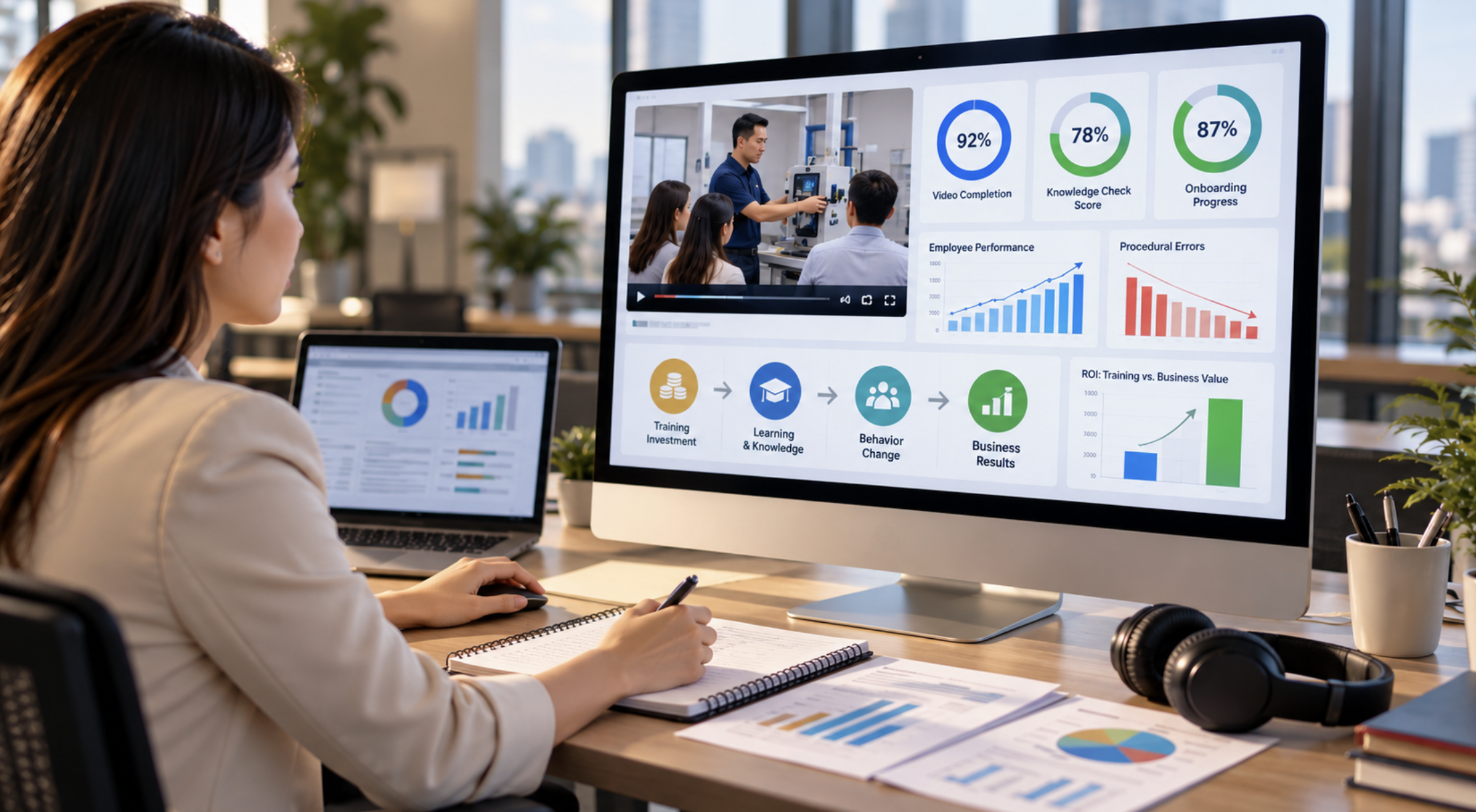
Measuring the success and ROI of a nonprofit video campaign involves tracking key performance indicators (KPIs) relevant to your initial goals, beyond just views. For awareness, track unique views, watch time, and social shares; for fundraising, monitor click-through rates to donation pages and actual donations attributed to the video. Engagement metrics like comments, likes, and sentiment analysis provide qualitative feedback. Use UTM parameters in your video's links to track conversions accurately. Compare these results against the financial and human resources invested to determine your true return on effort and impact.
FAQ 15: What are best practices for repurposing video content across channels?
Best practices for repurposing video content across channels include creating shorter, punchier cuts from longer videos for social media, extracting impactful quotes as text graphics, and using audio clips for podcasts. A single long-form impact story can be transformed into multiple short testimonial snippets for Instagram Reels, a blog post detailing the story, and a series of stills for image-based posts. Tailor each repurposed piece to the native format and audience expectations of the specific platform. This maximizes the longevity and reach of your content, ensuring every minute of footage works harder for your mission.