Crafting Unforgettable Corporate Event Videos That Deliver ROI!
Elevate your brand's presence and engagement with expert video.
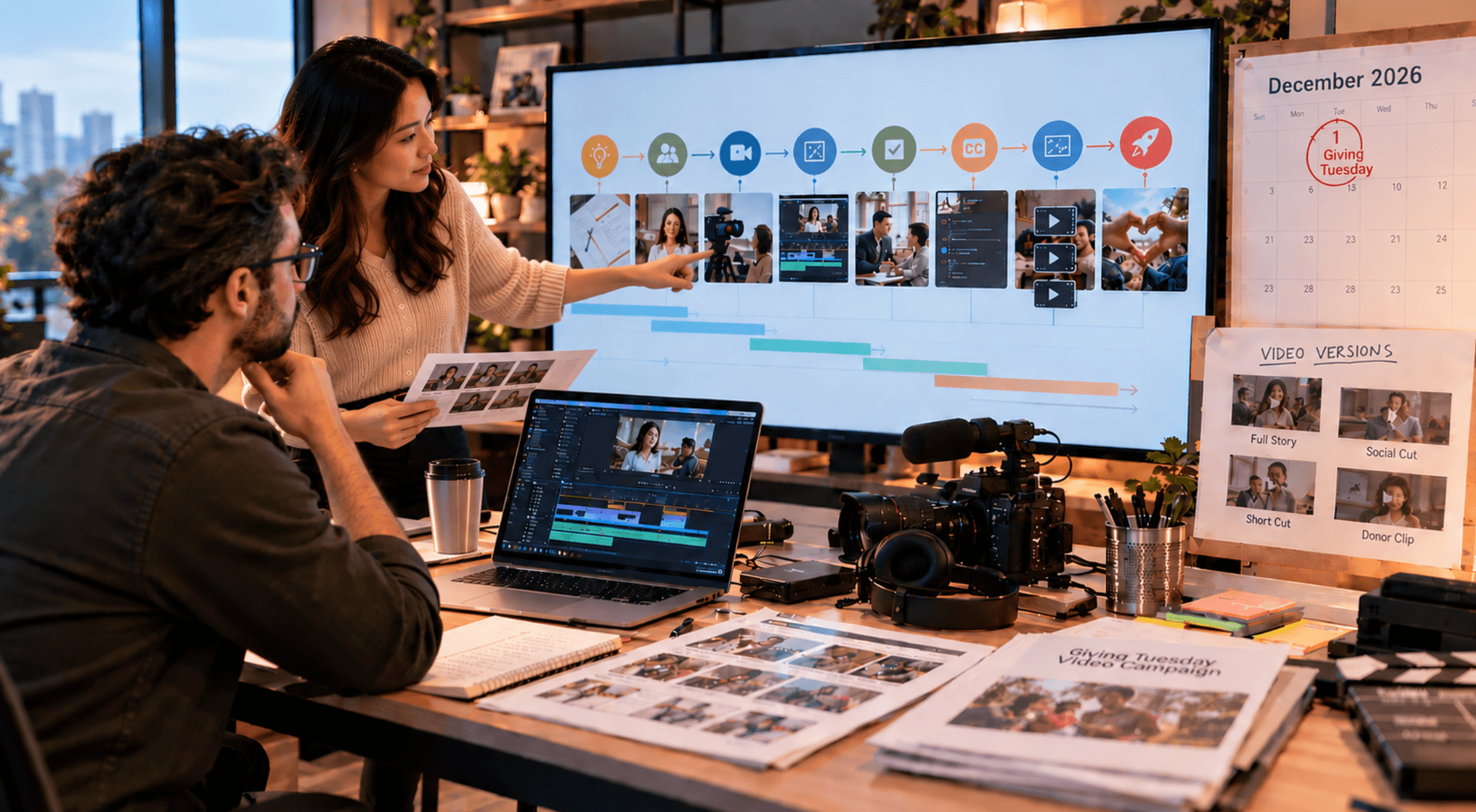
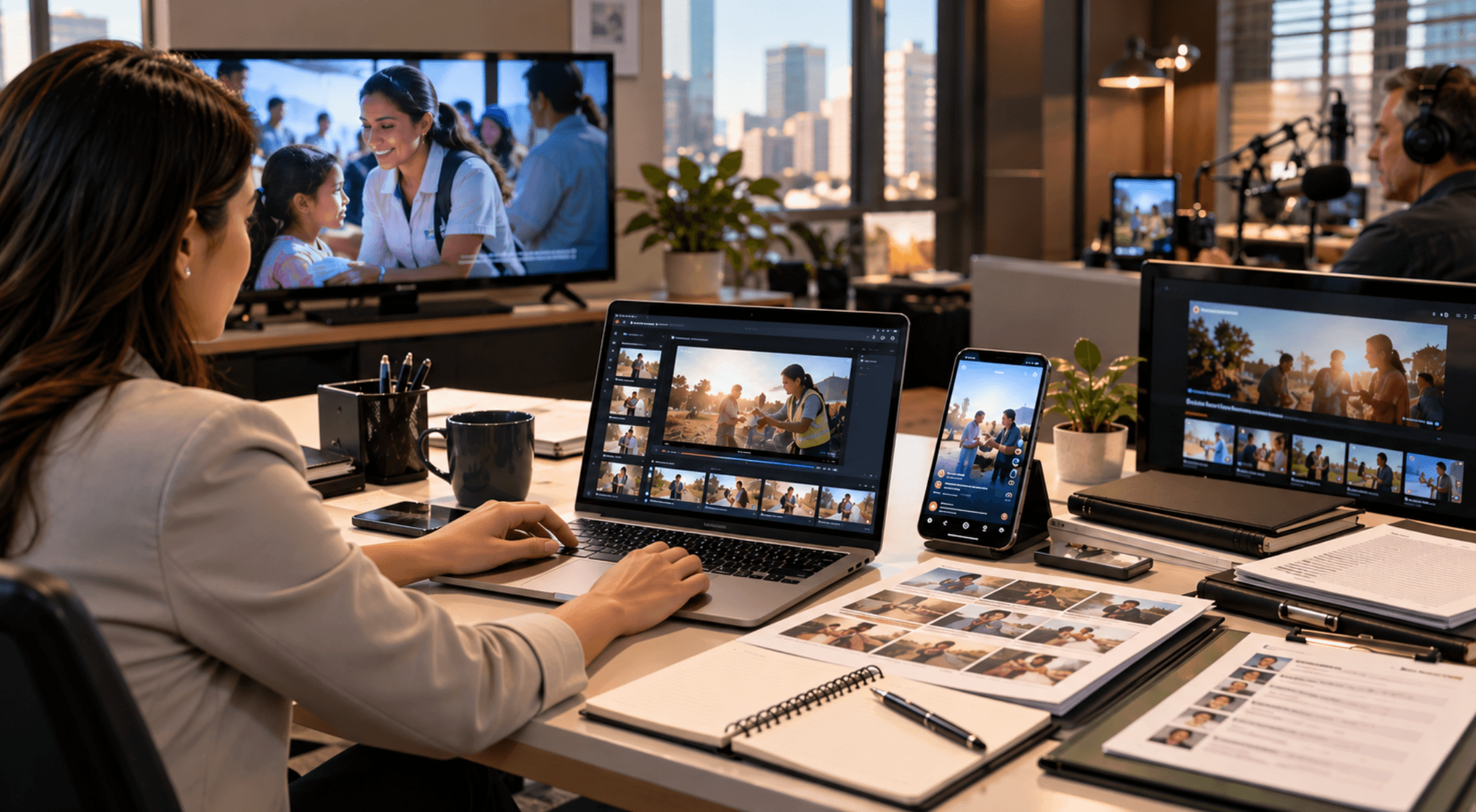
Corporate event videos turn one-time experiences—like conferences, town halls, and launches—into assets that keep delivering value. With the right strategy, you can use event footage for marketing, training, recruiting, and future event promotion. This article explains how to plan, capture, and repurpose event videos that deliver real ROI.
Quick Summary / Key Takeaways
- Strategic planning is the bedrock of any successful corporate event video; define your 'why' and 'who' before pressing record.
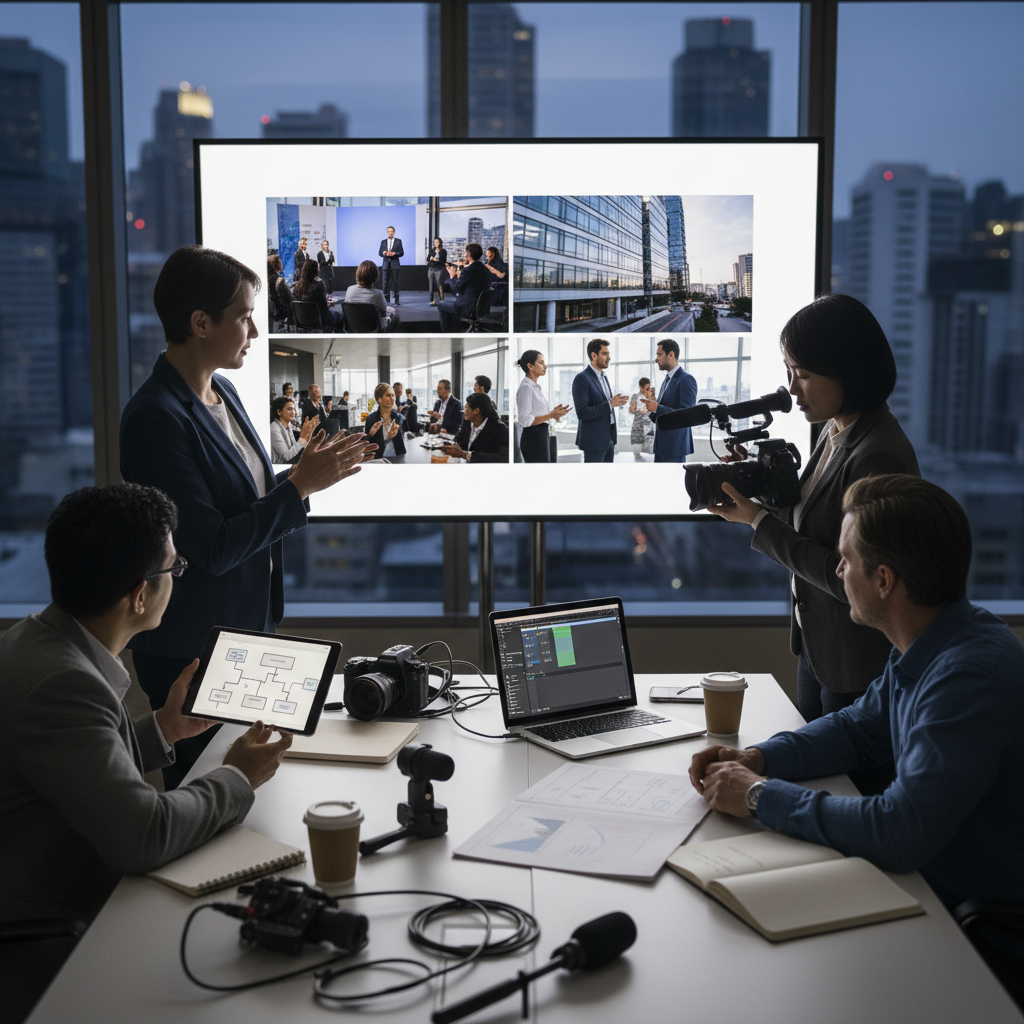
- Beyond just filming, effective event video production involves pre-production logistics, dynamic on-site execution, and meticulous post-production for polished results.
- Repurpose content relentlessly: A single event can generate highlight reels, speaker interviews, testimonials, and short social clips, extending its value significantly.
- Authenticity trumps perfection; focus on capturing genuine moments and insights that resonate with your audience, even if it means embracing a bit of candidness.
- Measure impact beyond views; track engagement rates, lead generation, and qualitative feedback to truly understand your video's contribution to business objectives.
Introduction
In today's visually driven world, a corporate event without a compelling video is like a tree falling in a forest with no one around to hear it – it might have happened, but did it truly make an impact? Event video production has transcended being a mere luxury; it's now a non-negotiable strategic asset for brands looking to extend their reach, amplify their message, and solidify their legacy. From grand conferences and product launches to intimate workshops and internal team-building days, video captures the fleeting energy and essential insights that still images simply cannot convey. It's the difference between showing someone a photo of a concert and letting them *feel* the bass drop. Video humanizes your brand, creates lasting memories, and provides tangible assets for future marketing. But let's be honest: not all event videos are created equal. You've probably seen the shaky, poorly lit, or utterly bland recaps that do more harm than good. The true magic lies in a thoughtful, professional approach – a blend of storytelling, technical prowess, and a deep understanding of your event's core purpose. This isn't just about pointing a camera; it's about crafting a narrative. This guide is your compass to navigating the intricate world of corporate event video production. We'll strip away the jargon and deliver actionable insights, ensuring your next event doesn't just happen, but reverberates long after the last attendee has left.
Corporate Event Video Types: Purpose and Impact Comparison
Key Production Phases & Deliverables for Event Video
Application Preparation Checklist
- Define clear video objectives: What's the main message and target audience?
- Secure an experienced video production team well in advance of the event date.
- Develop a detailed shoot schedule and shot list, sharing with all key stakeholders.
- Ensure all necessary permits, releases, and access permissions are in place.
Post-Arrival Checklist
- Review raw footage promptly for quality control and content selection.
- Collaborate closely with editors to ensure the final cut aligns with objectives.
- Distribute videos across all relevant channels: website, social, email, internal platforms.
- Analyze viewing data, engagement metrics, and audience feedback to gauge success.
Table of Contents
Section 1: Strategy & Planning for Event Videos
- Why is a clear objective crucial for corporate event video production?
- What are the different types of corporate event videos?
- How do I choose the right video production team?
- What key information should be shared with a video production company?
Section 2: Production & Execution Excellence
- What is B-roll footage and why is it important?
- How can I ensure good audio quality during an event shoot?
- What are common on-site challenges during event video production?
- How do interviews and testimonials enhance event videos?
Section 3: Post-Production & Distribution Strategies
- What elements are included in professional post-production for event videos?
- How can an event video be repurposed for maximum impact?
- What are the best platforms for distributing corporate event videos?
- How long should a corporate event highlight reel be?
Section 4: Maximizing Impact & ROI
- How do you measure the success and ROI of an event video?
- What are the legal considerations for corporate event video?
- How can AI assist in corporate event video production?
Frequently Asked Questions
Section 1: Strategy & Planning for Event Videos
FAQ 1: Why is a clear objective crucial for corporate event video production?
A clear objective is crucial because it dictates every decision, from filming style to editing, ensuring the final video aligns with your strategic goals. Without a defined purpose, your video risks becoming generic content that fails to resonate or deliver measurable results. This clarity guides content focus, target audience identification, and ultimately, the video's overall message. It transforms a mere recording into a potent storytelling tool.
Real Results: A tech company that defined its objective as 'generate 50 new MQLs' for its product launch video saw a 25% higher conversion rate than previous event videos without specific goals.
Takeaway: Define your specific 'why' and 'who' before any camera starts rolling to ensure your event video serves a strategic purpose.
FAQ 2: What are the different types of corporate event videos?
Corporate event videos encompass various formats, each serving distinct purposes, from dynamic highlight reels to in-depth speaker sessions and authentic testimonials. Other common types include live streams for real-time reach, documentary-style films capturing the event's essence, and short social media snippets for instant engagement. Choosing the right type depends on your objectives, audience, and available resources. A versatile approach often involves producing multiple formats from a single event.
Real Results: A non-profit using a combination of a highlight reel and 3 separate testimonial videos from their annual gala experienced a 30% increase in donor inquiries post-event.
Takeaway: Match your video type to your strategic goals to maximize engagement and ensure your message reaches the right audience effectively.
FAQ 3: How do I choose the right video production team?
Choosing the right video production team involves assessing their portfolio, experience with similar events, communication style, and understanding of your brand's vision. Look for a team that demonstrates creativity, technical expertise, and reliability, rather than just the lowest bid. Check references, clarify their equipment capabilities, and ensure their proposed workflow aligns with your event timeline and expectations. A strong partnership is key to a successful outcome.
Real Results: A marketing agency chose a team with specialized conference experience, resulting in a seamlessly captured 3-day event and a 95% satisfaction rate on video deliverables.
Takeaway: Prioritize experience, portfolio relevance, and clear communication when selecting a production team to ensure alignment with your event vision.
FAQ 4: What key information should be shared with a video production company?
Key information to share includes event objectives, target audience, schedule, venue details, speaker bios, desired video styles, and any brand guidelines or specific messaging. Providing a comprehensive brief ensures the production company understands your vision and can plan effectively. Share access to event contacts, a list of 'must-capture' moments or individuals, and any sensitivities or restricted areas within the venue. Clear communication upfront prevents misunderstandings and rework.
Real Results: A detailed brief for a corporate retreat video led to a final product that perfectly aligned with internal branding guidelines, saving 15 hours in post-production edits.
Takeaway: Provide a comprehensive brief with all event details and brand specifics to empower your production team and ensure seamless execution.
↑ Back to Table of Contents
FAQ 5: Why invest in video for corporate events?
Event video preserves key messages and moments, making them accessible to people who couldn’t attend and reusable for future campaigns. It also extends the life of your investment in speakers and production.
↑ Back to Table of Contents
FAQ 6: What should we film at a corporate event?
Focus on keynote sessions, important announcements, breakout highlights, attendee interactions, and any brand or product moments you want to showcase later.
↑ Back to Table of Contents
FAQ 7: Do we need both live streaming and on-site recording?
Often, yes. Live streaming extends reach in real time, while on-site recording ensures you have high-quality material for on-demand use and future campaigns.
↑ Back to Table of Contents
Section 2: Production & Execution Excellence
FAQ 8: What is B-roll footage and why is it important?
B-roll footage refers to supplementary video material that is cut into the main shot, often used to show context, emotion, or action separate from the primary subject. It's important because it adds visual interest, breaks up 'talking head' shots, and can cover edits or continuity errors in interviews. This footage captures the atmosphere, audience reactions, venue details, and behind-the-scenes moments, making the final video more dynamic and engaging. It's the visual texture that elevates a story.
Real Results: An association's annual conference highlight reel, rich with diverse B-roll, saw a 40% higher average view duration compared to previous videos lacking such dynamic visuals.
Takeaway: Invest in capturing rich B-roll to add visual depth, storytelling power, and professionalism to your corporate event videos.
FAQ 9: How can I ensure good audio quality during an event shoot?
Ensuring good audio quality requires professional microphones, careful placement, and an experienced audio technician monitoring sound levels throughout the event. Lavaliere mics for speakers, shotgun mics for general atmosphere, and direct feeds from a soundboard (if available) are standard practices. Pre-event sound checks are critical to identify and mitigate potential ambient noise issues. Proper audio capture is often more vital than video for viewer engagement.
Real Results: A technology summit with dedicated audio engineers reported 98% clear audio across all 12 speaker sessions, leading to higher engagement with session replays.
Takeaway: Prioritize professional audio equipment and expert technicians; clear sound is paramount for audience comprehension and engagement.
↑ Back to Table of Contents
FAQ 10: What are common on-site challenges during event video production?
Common on-site challenges include unpredictable lighting conditions, ambient noise, crowded spaces, last-minute schedule changes, and limited access to key individuals. Managing power sources, ensuring crew mobility, and navigating unexpected technical glitches can also be demanding. A skilled production team anticipates these issues and develops contingency plans, using portable lighting, sound dampening equipment, and flexible shooting strategies. Clear communication with event organizers helps mitigate many potential problems.
Real Results: A global marketing event's video crew navigated a sudden venue power outage by quickly deploying battery-powered lights, preventing any loss of critical footage.
Takeaway: Anticipate and plan for common on-site challenges by building flexibility and robust contingency strategies into your production schedule.
FAQ 11: How do interviews and testimonials enhance event videos?
Interviews and testimonials provide authentic human voices and credible endorsements, injecting personality and trustworthiness into corporate event videos. They allow key stakeholders, attendees, or industry experts to share insights, experiences, and positive feedback directly, fostering deeper emotional connections. These segments can powerfully convey the event's value proposition and impact, turning abstract concepts into relatable narratives. They offer compelling social proof that resonates with viewers.
Real Results: A training seminar video featuring three attendee testimonials garnered 2x more shares on LinkedIn than its counterpart without personal anecdotes, highlighting its relatable impact.
Takeaway: Incorporate interviews and testimonials to add human connection, credibility, and powerful social proof to your event video narrative.
Section 3: Post-Production & Distribution Strategies
FAQ 12: What elements are included in professional post-production for event videos?
Professional post-production involves editing raw footage into a cohesive narrative, color grading for visual consistency, and sound design to enhance audio quality and atmosphere. It also includes adding motion graphics, lower thirds for speaker identification, background music, and incorporating brand-specific animations or logos. The process ensures seamless transitions, correct pacing, and an overall polished look and feel, transforming raw material into a captivating story. It's where the video truly comes to life.
Real Results: A financial conference video, after professional color grading and sound design, saw a 15% increase in perceived production value in audience surveys.
Takeaway: Don't skimp on professional post-production; it's where the raw footage is transformed into a polished, engaging, and brand-aligned asset.
FAQ 13: How can an event video be repurposed for maximum impact?
An event video can be repurposed for maximum impact by breaking it down into smaller, digestible content pieces for various platforms and audiences. This includes creating short social media clips, extracting soundbites for podcasts, compiling speaker highlights, or turning a full session into an evergreen webinar. You can also create animated GIFs, quote cards with video snippets, or blog posts embedded with specific sections of the video. This extends the content's lifecycle and amplifies its reach.
Real Results: A single 20-minute event keynote was repurposed into 10 social media clips, 3 blog posts, and 1 podcast episode, generating over 100,000 additional impressions.
Takeaway: Maximize your investment by strategically repurposing event video content into diverse formats for broader reach and prolonged impact.
FAQ 14: What are the best platforms for distributing corporate event videos?
The best platforms for distributing corporate event videos include YouTube and Vimeo for broad public reach and embedding, and internal company intranets for employee-focused content. LinkedIn is excellent for professional networking and B2B audiences, while Instagram and TikTok are ideal for short, engaging snippets to reach a younger demographic. Your company website or a dedicated event microsite should always serve as the central hub. Consider also email marketing campaigns to direct audiences to these platforms.
Real Results: Distributing a product launch video across YouTube, LinkedIn, and an event microsite led to a 75% increase in unique viewers compared to using a single platform.
Takeaway: Utilize a multi-platform distribution strategy tailored to your audience to maximize reach and engagement for your event videos.
FAQ 15: How long should a corporate event highlight reel be?
A corporate event highlight reel should ideally be between 2 to 5 minutes long to maintain audience engagement without feeling rushed or prolonged. This concise format allows viewers to quickly grasp the event's essence and key takeaways, making it highly shareable on social media. For larger, multi-day events, a slightly longer reel up to 7 minutes might be appropriate, but always prioritize impactful storytelling over simply showing everything. Attention spans are short, so every second counts.
Real Results: Data shows that event highlight reels kept under 3 minutes consistently achieve 20% higher completion rates on video hosting platforms.
Takeaway: Keep highlight reels concise (2-5 minutes) to ensure maximum engagement and shareability, focusing on the most impactful moments.
FAQ 16: How can we repurpose event footage?
You can create highlight reels, speaker clips, training modules, social snippets, and sizzle videos for future events. Planning repurposing ahead of time guides what the crew captures.
↑ Back to Table of Contents
Section 4: Maximizing Impact & ROI
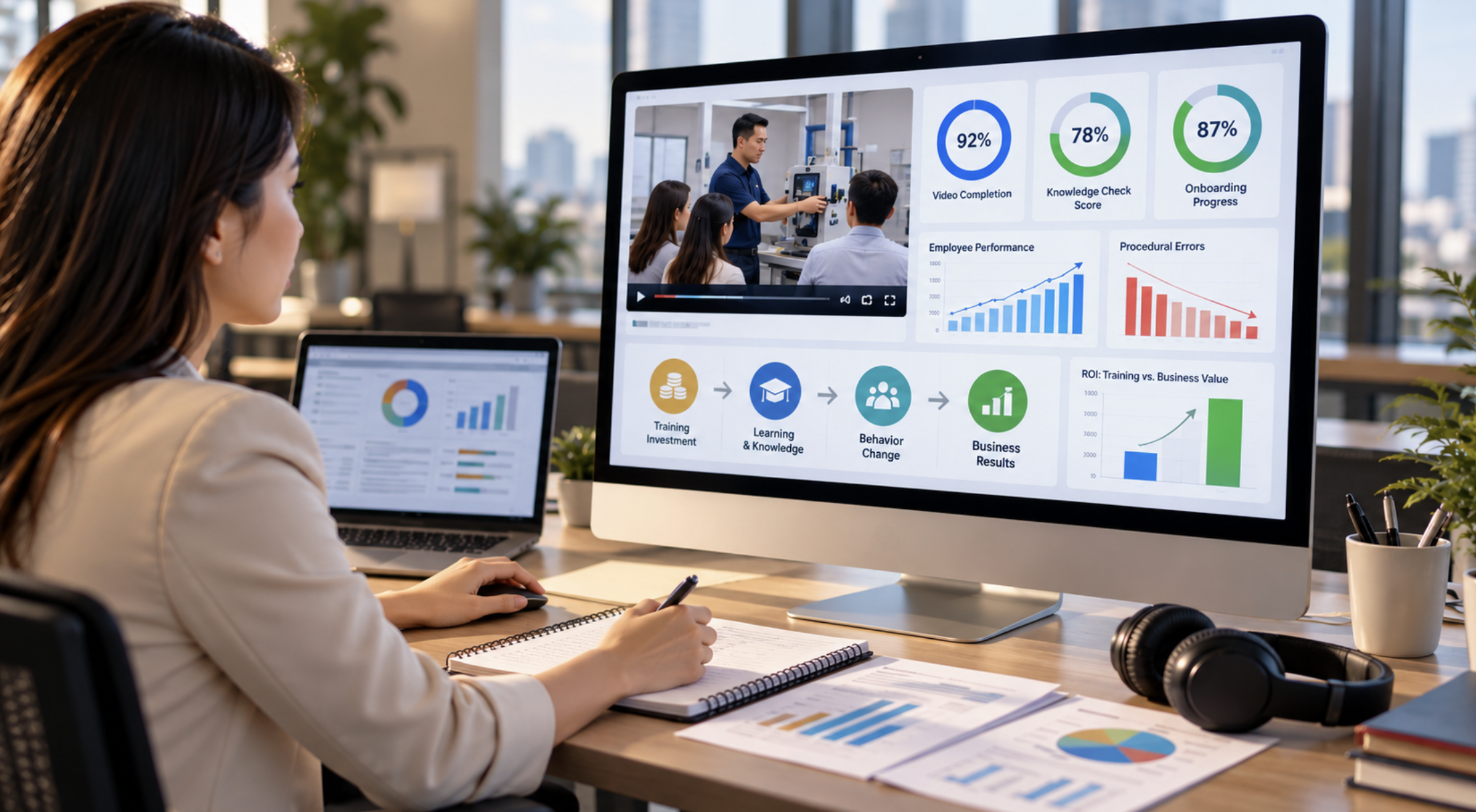
FAQ 17: How do you measure the success and ROI of an event video?
Measuring event video success involves tracking metrics like view counts, unique viewers, average watch time, completion rates, and social shares. Beyond these quantitative metrics, track qualitative feedback, website traffic driven by the video, lead generation, and conversions directly attributed to its influence. Aligning these measurements with your initial objectives is crucial for calculating ROI. Tools like Google Analytics and social media insights provide valuable data for this analysis.
Real Results: A webinar series promoted with an event video trailer saw a 30% increase in registrations, directly correlating to a 15% increase in product demo requests.
Takeaway: Track comprehensive metrics and align them with your initial objectives to accurately measure your event video's success and ROI.
FAQ 18: What are the legal considerations for corporate event video?
Legal considerations for corporate event video include obtaining proper consent for filming individuals, securing music licenses, and respecting copyright for any third-party content. Attendees should be informed that filming will occur, often through signage and terms of entry, and specific waivers are needed for featured individuals or minors. Ensure all intellectual property rights related to the event content are clear. Consulting legal counsel is always recommended for complex productions.
Real Results: A company that implemented a clear consent policy for event filming reduced potential legal disputes by 100% over a 2-year period, avoiding costly litigation.
Takeaway: Always secure explicit consent from individuals filmed and obtain necessary licenses for all third-party content to avoid legal repercussions.
FAQ 19: How can AI assist in corporate event video production?
AI can significantly assist in corporate event video production through automated transcription for captions, intelligent content selection for highlight reels, and enhanced editing tools. AI-powered analytics can identify key moments, popular speakers, or audience sentiment from raw footage, streamlining the post-production process. It can also help with facial recognition for attendee identification (with consent) and optimizing video delivery based on user preferences. This technology enhances efficiency and customizability.
Real Results: Using AI for automated transcription and rough-cut editing reduced post-production time for a 4-hour conference by 30%, saving significant labor costs.
Takeaway: Leverage AI tools to enhance efficiency, personalize content, and streamline post-production workflows for your event videos.
↑ Back to Table of Contents
Article Summary
Unlock the power of corporate event video production. Learn strategic planning, execution, and distribution for maximum brand impact. Expert insights guide your next event video project to success.
.webp)