Capturing Your Moment: The Definitive Guide to Event Video Production Services Transform Fleeting Moments into Lasting Impact with Expert Video Services
Quick Summary / Key Takeaways
- Professional event video production captures the true essence of your occasion, ensuring high-quality, memorable content that resonates with your audience long after the live event concludes.
- Strategic pre-production, including clear objectives, detailed shot lists, and venue scouting, is crucial for seamless execution and achieving your desired video outcomes.
- Invest in experienced videographers and the right equipment to guarantee superior audio-visual quality, avoiding common pitfalls that can detract from your event's story.
- Effective post-production and a multi-platform distribution strategy are vital for maximizing your event video's reach, engagement, and return on investment across digital channels.
- Partnering with a specialized event video production agency brings expertise, scalability, and creative vision, transforming your event into compelling, shareable content that amplifies your brand.
Introduction
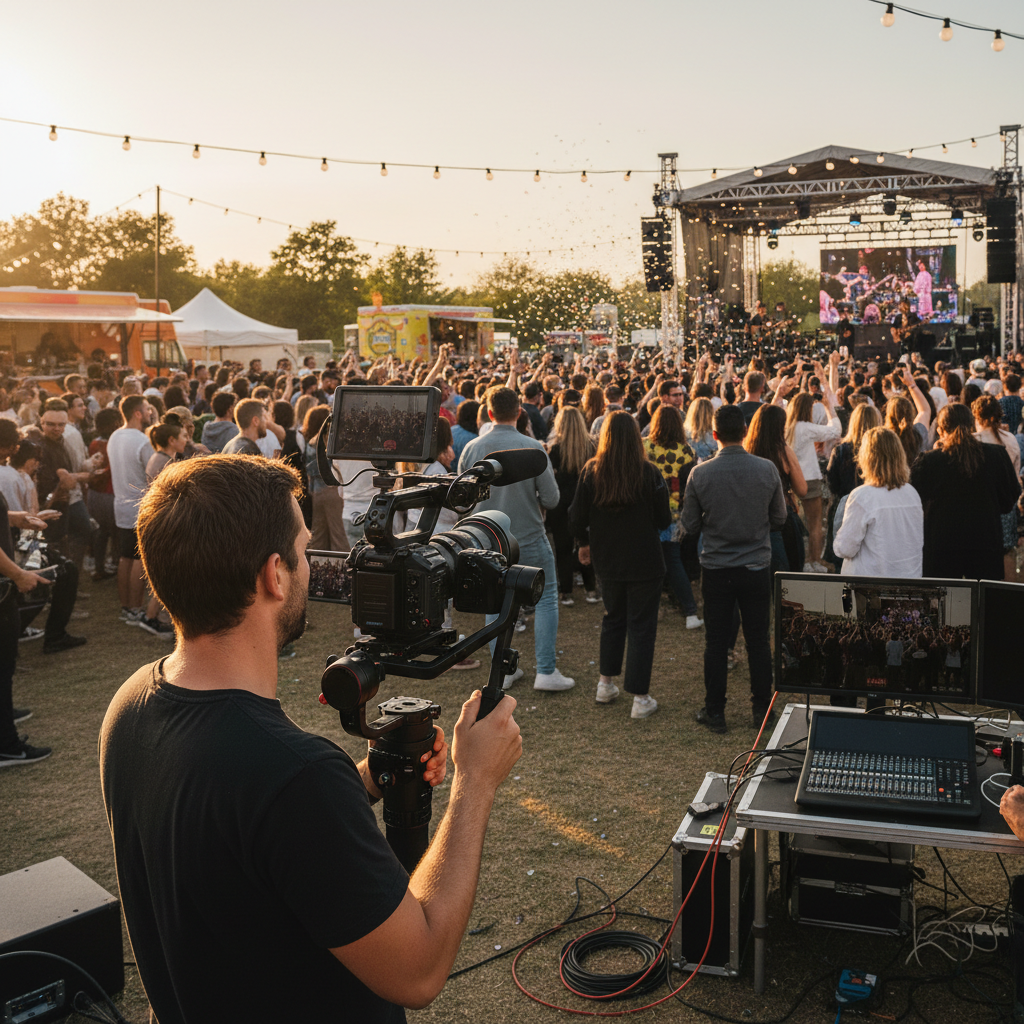
In a world buzzing with events, capturing the magic of a fleeting moment is paramount. Think back to a concert where the energy was palpable, a conference where a speaker inspired you, or a product launch that genuinely excited the crowd. These experiences, once gone, are impossible to replicate, yet their value can be immortalized and amplified through the power of professional event video production. Event video services aren't just about pressing record; they're about strategic storytelling. It's about understanding your audience, anticipating key moments, and crafting a narrative that extends the life and impact of your event far beyond its physical confines. From intimate workshops to sprawling festivals, the right video can transform an in-person gathering into an evergreen asset, a marketing powerhouse, and a vivid memory. But navigating the landscape of cameras, crews, and captivating edits can feel daunting. How do you ensure your investment translates into tangible results? How do you pick a partner who truly understands your vision and can bring it to life with technical prowess and creative flair? This guide will demystify the process, offering actionable insights and expert advice to help you master event video production and unlock its full potential.
Event Video Production Service Tiers Comparison
Key Metrics & ROI for Event Video
Application Preparation Checklist
- Define clear video objectives: What story do you want to tell and what is the desired outcome?
- Scout the venue for lighting, audio challenges, and potential shot locations well in advance.
- Finalize shot lists, run-of-show, and interview subjects with the production team.
- Conduct a comprehensive equipment check to ensure all cameras, mics, and accessories are functional.
Post-Arrival Checklist
- Gather and organize all raw footage, audio, and supplementary materials for editing.
- Collaborate closely with editors on branding, music, graphics, and desired narrative flow.
- Implement a multi-channel distribution strategy across social media, website, and email.
- Analyze video performance metrics (views, engagement, conversions) to assess ROI.
Table of Contents
Section 1: Understanding Event Video Production
- What are event video production services?
- Why is professional event video production crucial for my brand?
- What types of events benefit most from video coverage?
Section 2: Planning & Pre-Production Excellence
- What key steps are involved in planning an event video?
- How do I determine the right budget for event video production?
- Should I prioritize live streaming or post-production for my event?
- What equipment considerations are vital for quality event video?
Section 3: On-Site Execution & Capturing Magic
- How do professional videographers ensure key moments are captured?
- What is the importance of sound quality in event video?
- How do teams handle unexpected challenges during a live shoot?
- What's the difference between a highlight reel and full session coverage?
Section 4: Post-Production & Maximizing Impact
- What does the post-production process for event videos entail?
- How can I effectively distribute my event video content?
- What are the best ways to measure the ROI of my event video?
- How can event video content be repurposed for future marketing?
- When should I hire an event video production company versus doing it myself?
Frequently Asked Questions
Section 1: Understanding Event Video Production
FAQ 1: What are event video production services?
Event video production services encompass the entire process of planning, shooting, and editing video content for various live events. This includes pre-production planning like concept development and logistics, on-site recording using professional cameras and audio equipment, and post-production for editing, motion graphics, and sound design. The goal is to create compelling visual narratives that capture the essence and key messages of an event, suitable for distribution and marketing. Services often vary based on event scale and client needs, from simple highlight reels to multi-camera live streams.
Real Results: A tech conference client increased their post-event website traffic by 45% and delegate sign-ups for the next year by 20% after distributing professional highlight reels and speaker session videos.
Takeaway: Invest in comprehensive services that cover every stage, from concept to final delivery, to truly leverage your event's story.
FAQ 2: Why is professional event video production crucial for my brand?
Professional event video production is crucial for your brand because it creates high-quality, authentic content that extends your event's reach and impact beyond physical attendees. It allows you to showcase your brand's values, expertise, and community engagement, building trust and authority with a wider audience. Moreover, polished video content provides valuable marketing assets for future campaigns, lead generation, and internal communications, offering a significant return on your event investment. It’s about transforming a fleeting experience into a lasting digital asset.
Real Results: A non-profit organization saw a 30% increase in donor engagement and a 15% rise in new volunteer sign-ups after sharing a professionally produced video of their annual gala across social media.
Takeaway: Professional video amplifies your event's message, extends its lifespan, and provides invaluable marketing assets for sustained brand growth.
FAQ 3: What types of events benefit most from video coverage?
Conferences, trade shows, product launches, corporate galas, music festivals, and workshops benefit most from professional video coverage due to their high production value and potential for broad reach. These events often feature key speakers, unique performances, or significant announcements that, when captured professionally, can generate substantial post-event engagement. Any event aiming to educate, entertain, or build community can see significant value in video. The ability to relive, share, and repurpose content makes these events ideal candidates.
Real Results: A consumer brand's product launch video garnered 1.2 million views online, leading to a 10% surge in pre-orders within 48 hours, far exceeding their initial sales projections.
Takeaway: Events with high informational, entertainment, or community-building value are prime candidates for impactful video production.
Section 2: Planning & Pre-Production Excellence
FAQ 4: What key steps are involved in planning an event video?
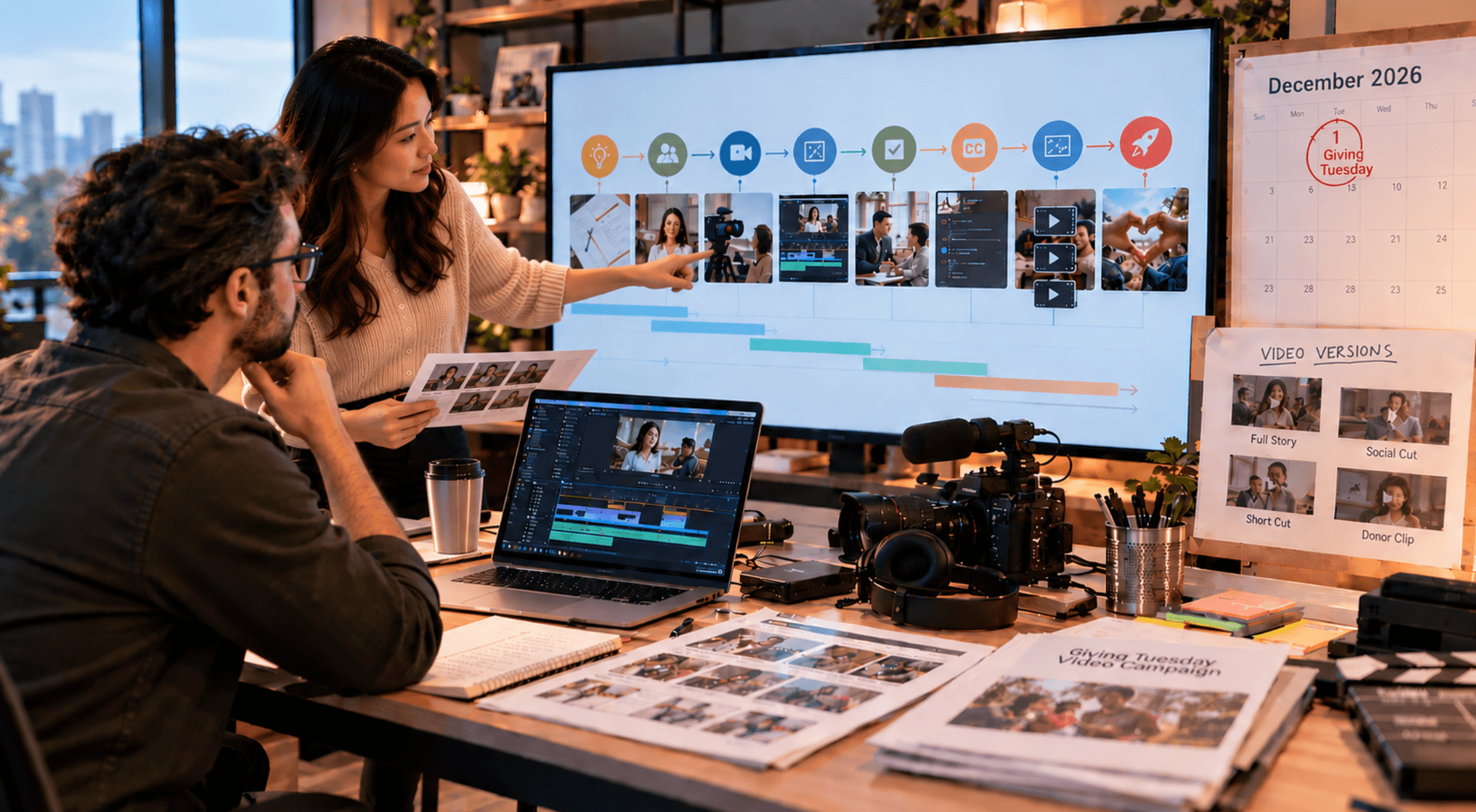
Key steps in planning an event video include defining clear objectives, budgeting, and selecting a production team, followed by detailed logistical coordination. This involves crafting a compelling narrative, developing a shot list, scouting the venue to assess lighting and audio conditions, and scheduling interviews or specific moments to capture. Effective pre-production also includes securing necessary permits, coordinating with event organizers, and ensuring all equipment is tested and ready. The more thorough the planning, the smoother the on-site execution will be.
Real Results: A meticulous pre-production plan for a hybrid corporate event allowed the production team to deliver 15 unique video segments within 24 hours post-event, avoiding any re-shoots or costly delays.
Takeaway: Thorough pre-production, from goal setting to venue scouting, is the bedrock of a successful event video project.
FAQ 5: How do I determine the right budget for event video production?
Determining the right budget for event video production involves assessing the scope, deliverables, and desired quality level of your project. Consider factors like the number of cameras, crew size, equipment needs (e.g., drones, specialized lighting), on-site hours, and complexity of post-production (e.g., motion graphics, sound design). It's wise to get detailed quotes from multiple production companies, specifying your expectations clearly. Allocate funds not just for creation, but also for licensing music, travel, and potential revisions. Don't forget repurposing potential, as a single event can yield multiple content pieces.
Real Results: By clearly defining their scope, a small business saved 15% on their video budget by opting for a single-camera setup and a concise highlight reel instead of full multi-session coverage, without compromising quality.
Takeaway: Align your budget with your specific objectives and desired deliverables; quality doesn't always mean the highest cost.
FAQ 6: Should I prioritize live streaming or post-production for my event?
The choice between prioritizing live streaming or post-production depends entirely on your event's primary goals and target audience. Live streaming offers immediate, real-time engagement and a broader audience reach, ideal for breaking news, urgent announcements, or interactive events. Post-production, conversely, allows for meticulous editing, refined storytelling, and the creation of highly polished, evergreen content for long-term marketing and brand building. Many organizations opt for a hybrid approach, live streaming key sessions while also capturing content for high-quality post-event deliverables. It's crucial to weigh immediacy versus lasting impact.
Real Results: A global summit that incorporated both live streaming for real-time audience interaction and robust post-production for on-demand speaker sessions saw a 60% increase in total audience engagement compared to previous events.
Takeaway: Prioritize based on your immediate engagement versus long-term content goals, or consider a hybrid approach for maximum impact.
FAQ 7: What equipment considerations are vital for quality event video?
Vital equipment considerations for quality event video include professional-grade cameras capable of shooting in various lighting conditions, robust audio recording gear like lavalier and shotgun microphones, and stable support systems such as tripods and gimbals. Lighting kits are crucial for indoor events, ensuring subjects are well-lit and professional. Additionally, having backup equipment, reliable power solutions, and communication systems (like walkie-talkies) for the crew are often overlooked but essential. High-capacity storage and data management tools are also critical for handling large volumes of footage securely. This foundational gear directly impacts the final output's clarity and professionalism.
Real Results: A production team used specialized low-light cameras and advanced audio mixers for an evening gala, capturing crisp visuals and clear speeches, resulting in a video praised for its cinematic quality.
Takeaway: Invest in professional cameras, high-quality audio, and stable support to ensure visually and audibly superior event videos.
Section 3: On-Site Execution & Capturing Magic
FAQ 8: How do professional videographers ensure key moments are captured?
Professional videographers ensure key moments are captured through meticulous pre-event planning, detailed shot lists, and proactive on-site communication. They study the event schedule, scout locations for optimal angles, and anticipate crowd movements or crucial speaker transitions. With multiple camera operators, different angles and perspectives can be covered simultaneously, minimizing the risk of missing a critical shot. Experience allows them to adapt quickly to unexpected changes, such as schedule shifts or technical glitches, ensuring continuous coverage of important action and reactions. They are masters of anticipation and quick adaptation.
Real Results: During a surprise celebrity appearance at a brand activation, a nimble production team, thanks to multi-camera setup and clear communication, captured every angle, delivering viral social media content within hours.
Takeaway: Leverage pre-planning, multiple angles, and experienced crews to guarantee no critical moment is ever missed.
FAQ 9: What is the importance of sound quality in event video?
Sound quality is paramount in event video as poor audio can severely detract from even the most stunning visuals, making content unwatchable or incomprehensible. Clear, crisp audio ensures that speaker messages are understood, audience reactions are felt, and the overall atmosphere is conveyed effectively. Professional sound engineers use dedicated microphones, mixers, and audio recording devices separate from camera audio to isolate voices and manage ambient noise. This attention to detail prevents issues like feedback, echoes, or muffled speech, which can undermine an event's impact. Sound truly is half the picture.
Real Results: A client invested in high-end audio recording for their industry panel, resulting in a YouTube video where speaker discussions were exceptionally clear, attracting 2x higher average watch time compared to their prior events.
Takeaway: Prioritize crystal-clear audio; it's as critical as visuals for an engaging and professional event video.
FAQ 10: How do teams handle unexpected challenges during a live shoot?
Professional production teams handle unexpected challenges during a live shoot through contingency planning, redundant equipment, and experienced personnel. This includes having backup cameras, microphones, and power sources ready to deploy at a moment's notice, mitigating risks like equipment failure. Experienced crews are trained to troubleshoot technical issues on the fly and adapt to environmental changes, such as sudden lighting shifts or crowd interference. Clear communication among team members and with event organizers is also vital for rapid problem-solving and maintaining seamless operations. Their adaptability is a key differentiator.
Real Results: When a venue's power tripped during a live concert, the video team's battery-powered backups and quick-thinking operators maintained continuous recording, saving critical footage for the highlight reel.
Takeaway: Hire a team with robust contingency plans and seasoned professionals who can troubleshoot any on-site surprises.
FAQ 11: What's the difference between a highlight reel and full session coverage?
A highlight reel is a concise, fast-paced video, typically 1-5 minutes long, designed to capture the energy, key moments, and overall vibe of an event, ideal for social media and marketing. It features quick cuts, upbeat music, and soundbites. Full session coverage, conversely, involves recording entire presentations, panels, or performances, often delivering longer, unedited or minimally edited videos. This is crucial for educational content, archival purposes, or for attendees who missed a specific session. While highlight reels are promotional, full coverage is informational and foundational.
Real Results: A university used a dynamic 2-minute highlight reel of their open day to attract prospective students, while posting full 60-minute faculty talks on their website for in-depth engagement, doubling their inquiries.
Takeaway: Use highlight reels for broad promotion and full session coverage for deep educational or archival value.
Section 4: Post-Production & Maximizing Impact
FAQ 12: What does the post-production process for event videos entail?
The post-production process for event videos entails editing raw footage, color grading, sound mixing, and adding graphics, music, and voiceovers to create a polished final product. Editors meticulously review all captured footage, selecting the best takes and arranging them into a cohesive narrative that aligns with the event's objectives. This stage also includes ensuring brand consistency through logos and lower thirds, refining audio quality, and optimizing the video for various distribution platforms. It's where the raw material is sculpted into a compelling story.
Real Results: Through expert post-production, a chaotic festival's raw footage was transformed into a vibrant 3-minute recap, gaining over 500,000 views and generating significant buzz for next year's ticket sales.
Takeaway: Recognize post-production as the crucial phase where raw footage is transformed into a captivating, branded story.
FAQ 13: How can I effectively distribute my event video content?
Effectively distributing event video content involves a multi-platform strategy tailored to reach your target audience where they consume media. This includes uploading to your website, YouTube, and Vimeo for searchability and embedding. Utilize social media platforms like LinkedIn, Facebook, Instagram, and X (formerly Twitter) with platform-specific edits and strong calls to action. Email marketing campaigns, integrating videos into blog posts, and submitting to industry publications can also significantly extend your reach. Always optimize for mobile viewing and leverage analytics to refine your strategy.
Real Results: A B2B company's webinar recap video, distributed via LinkedIn, email, and blog embeds, generated 25% more qualified leads than their previous text-only recap efforts.
Takeaway: Develop a multi-channel distribution plan, optimizing video content for each platform to maximize reach and engagement.
FAQ 14: What are the best ways to measure the ROI of my event video?
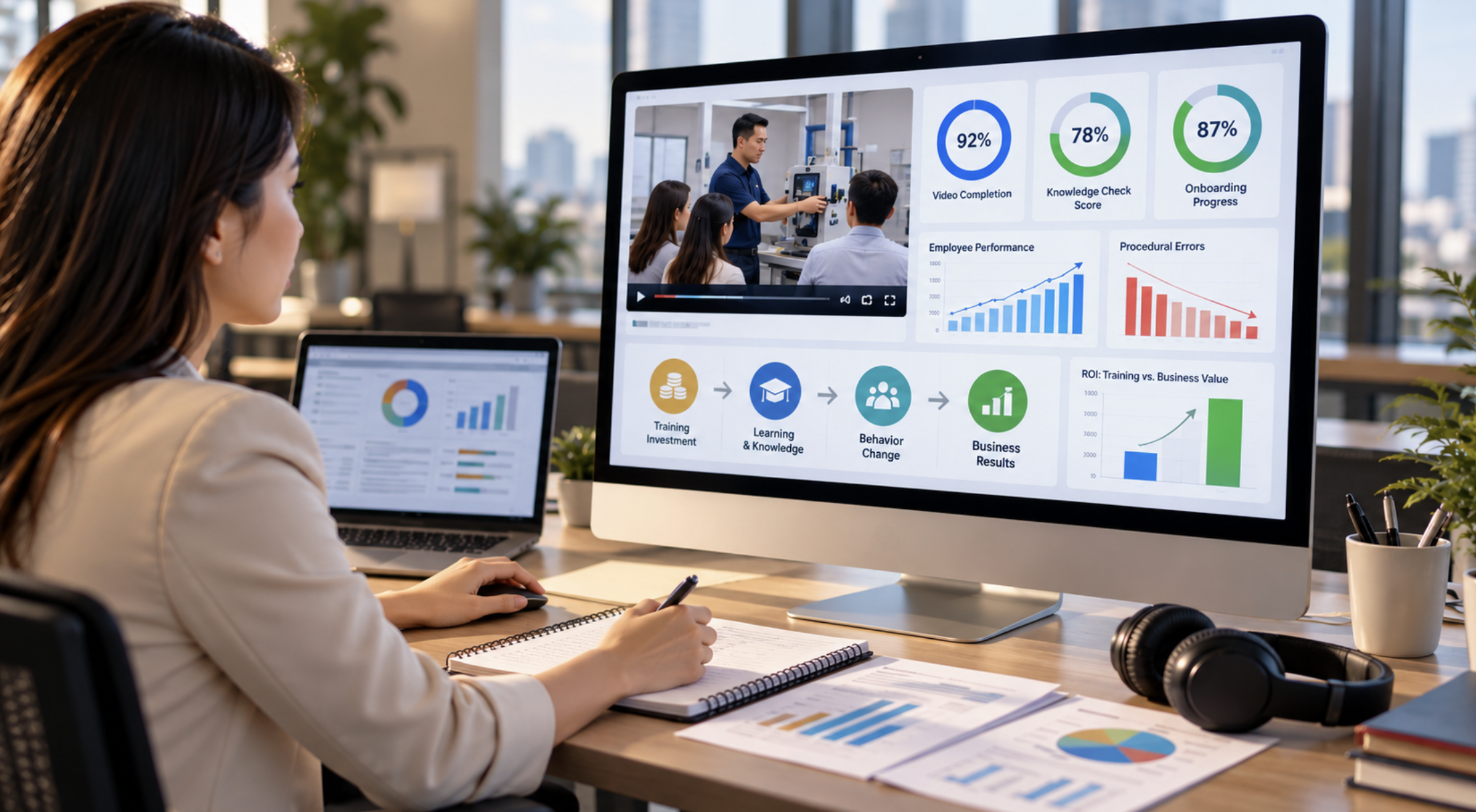
Measuring the ROI of your event video involves tracking key performance indicators such as viewership, engagement rates, lead generation, and conversions directly attributable to the video content. Monitor metrics like total views, watch time, shares, comments, and click-through rates from embedded videos. For lead generation, track website traffic, form submissions, or specific campaign sign-ups linked to your video. Brand sentiment and social mentions can also indicate impact. By comparing these outcomes against the production cost, you can determine the tangible value generated. Don't forget to track how long leads stay in your pipeline after watching your video content.
Real Results: A marketing agency tracked event video views and found that viewers who watched a 5-minute highlight reel were 3x more likely to convert into clients within 30 days than non-viewers.
Takeaway: Track specific KPIs like views, engagement, and conversions to quantitatively demonstrate the value of your event video investment.
FAQ 15: How can event video content be repurposed for future marketing?
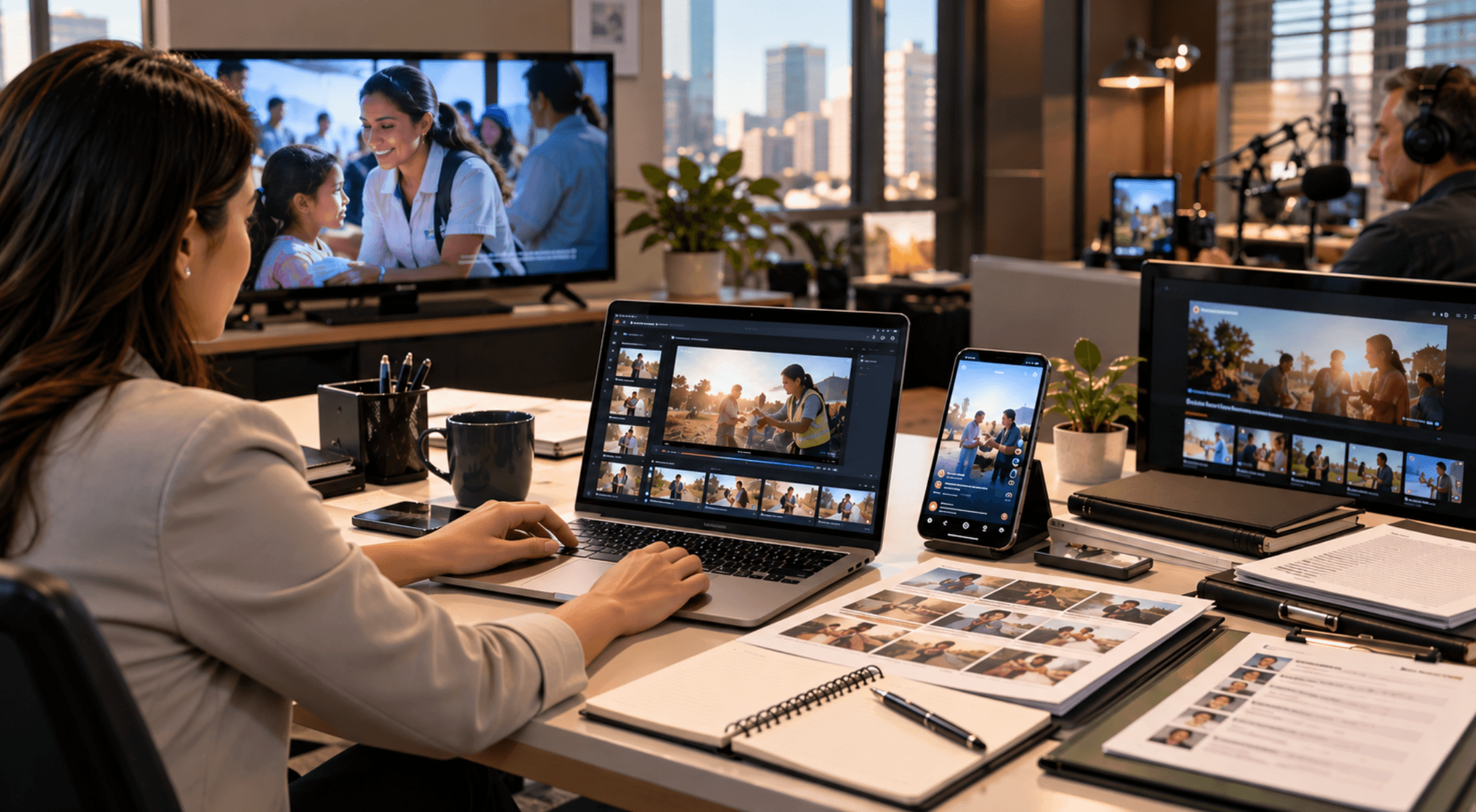
Event video content can be extensively repurposed for future marketing by creating short social media clips, quote cards, GIFs, and evergreen blog content. Break down long-form presentations into bite-sized segments for tutorials or individual speaker highlights. Extract audio for podcasts, transcribe key speeches for articles or e-books, and use b-roll footage for future promotional videos or website backgrounds. Testimonials captured at the event can become powerful standalone marketing assets. This maximizes your initial investment, extending content utility across multiple campaigns. The possibilities are truly endless once you have the raw footage.
Real Results: An event keynote was repurposed into 10 social media snippets, 3 blog posts, and a podcast episode, collectively generating 70% more engagement than the original single video upload and extending its relevance by six months.
Takeaway: Unlock greater value by segmenting and repurposing your event video footage across all your marketing channels.
FAQ 16: When should I hire an event video production company versus doing it myself?
You should hire an event video production company when professionalism, high-quality deliverables, and a significant return on investment are paramount, rather than attempting it yourself. This is especially true for large, complex events, or when your brand's reputation is on the line. DIY might suffice for very small, internal, low-stakes events where a smartphone camera is acceptable. However, a professional team brings technical expertise, specialized equipment, creative vision, and the ability to handle unexpected issues, ensuring your event's story is told compellingly and flawlessly. The cost of a poorly produced video often outweighs the savings.
Real Results: A startup initially DIY'd their product launch video, resulting in poor audio and shaky footage, which negatively impacted their perception. Hiring professionals for their next launch led to a 40% increase in investor confidence.
Takeaway: Delegate to professionals when quality, impact, and brand reputation are critical, leveraging their expertise for superior results.
Article Summary
Unlock the power of professional event video production services. Capture, engage, and amplify your brand's message with expert strategies and stunning visuals for maximum impact.
.webp)