In any federal, state, or local government agency, effective internal communication isn’t just a “nice to have.” It’s essential. And how you communicate matters just as much as what you’re communicating.
In today’s fast-paced, digital-first environment, video has become one of the most powerful tools government agencies can use to connect with employees and improve internal communication.
At RaffertyWeissMedia, we collaborate closely with all government agencies to produce impactful video content that boosts engagement, clarity, and connection across departments, locations, and job functions.
Is video the right choice for you? Here’s how your agency can gain from using video for internal communication.
1. Capture (and maintain) your employees' attention. Be honest. Have you ever read any kind of manual or code of ethics in its entirety? Neither have your employees. But what they will absorb is a well-crafted video. Studies show people remember up to 95% of a message when it’s delivered via video, compared to only 10% when reading text. For government agencies, that kind of retention is invaluable. Whether you’re rolling out cybersecurity protocols, updating ethical conduct guidelines, or introducing a new benefits platform, video helps ensure employees truly absorb the information.
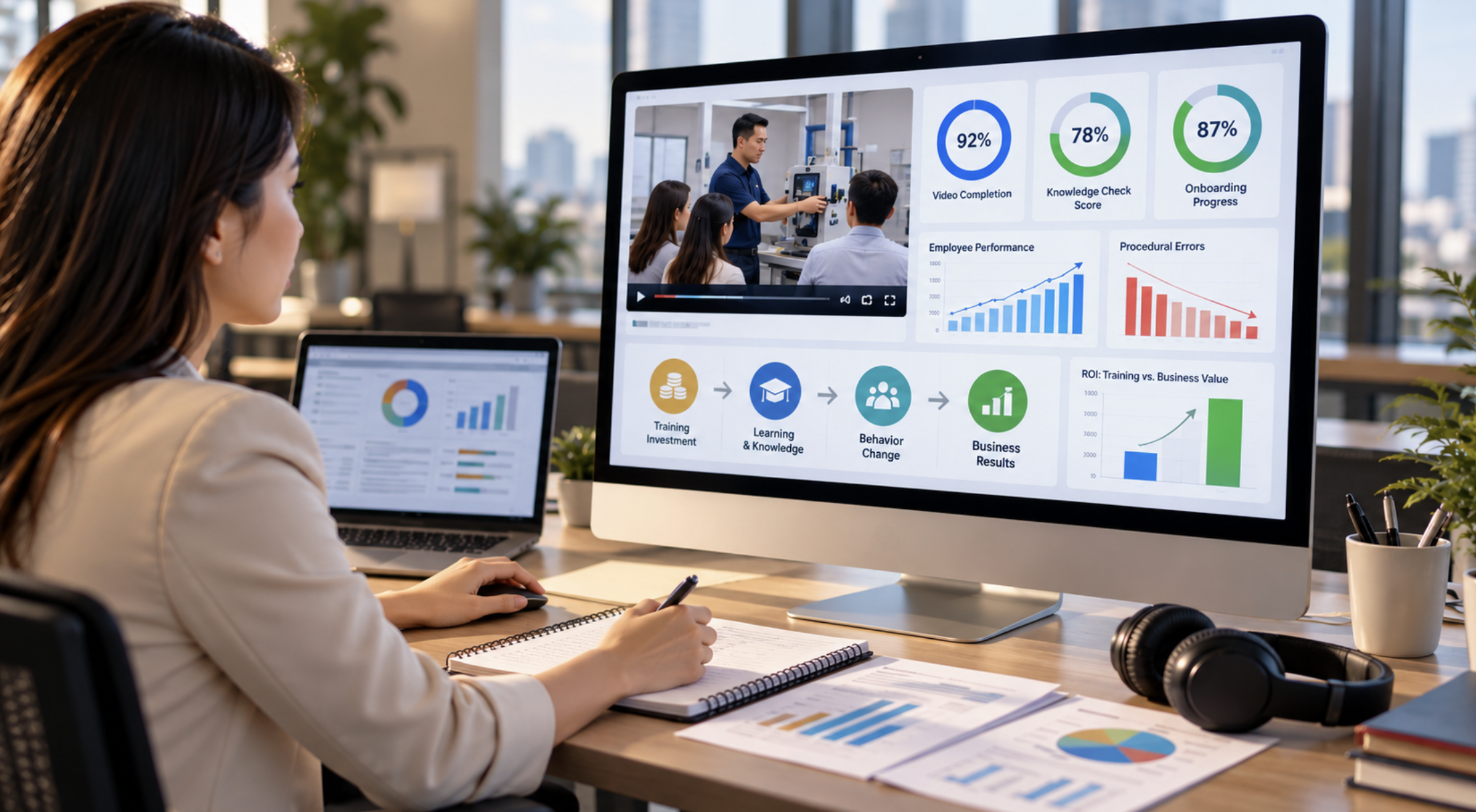
2. Make training easier and scalable. Government agencies often operate across multiple offices, jurisdictions, or field locations. Video training ensures that every employee receives the same message, in the same format, no matter where they are. You can review compliance and onboarding procedures, demonstrate how to use internal systems, and guide employees through emergency response protocols or security measures. Using video for training removes the need to repeatedly schedule in-person sessions and can be accessed anytime, saving time and resources.
3. Boost engagement and connection. No matter what you’re discussing, video has a unique ability to humanize messaging. If you're trying to unite your agency or explain internal changes, you can showcase leaders sharing their insights and vision. When it comes to e-training, including authentic voices from employees fosters a culture of inclusion and provides real-life experiences. You can also use animation to simplify complex concepts. By visually breaking down information and presenting it in an easily digestible format, videos bring abstract ideas to life and make information more relatabl
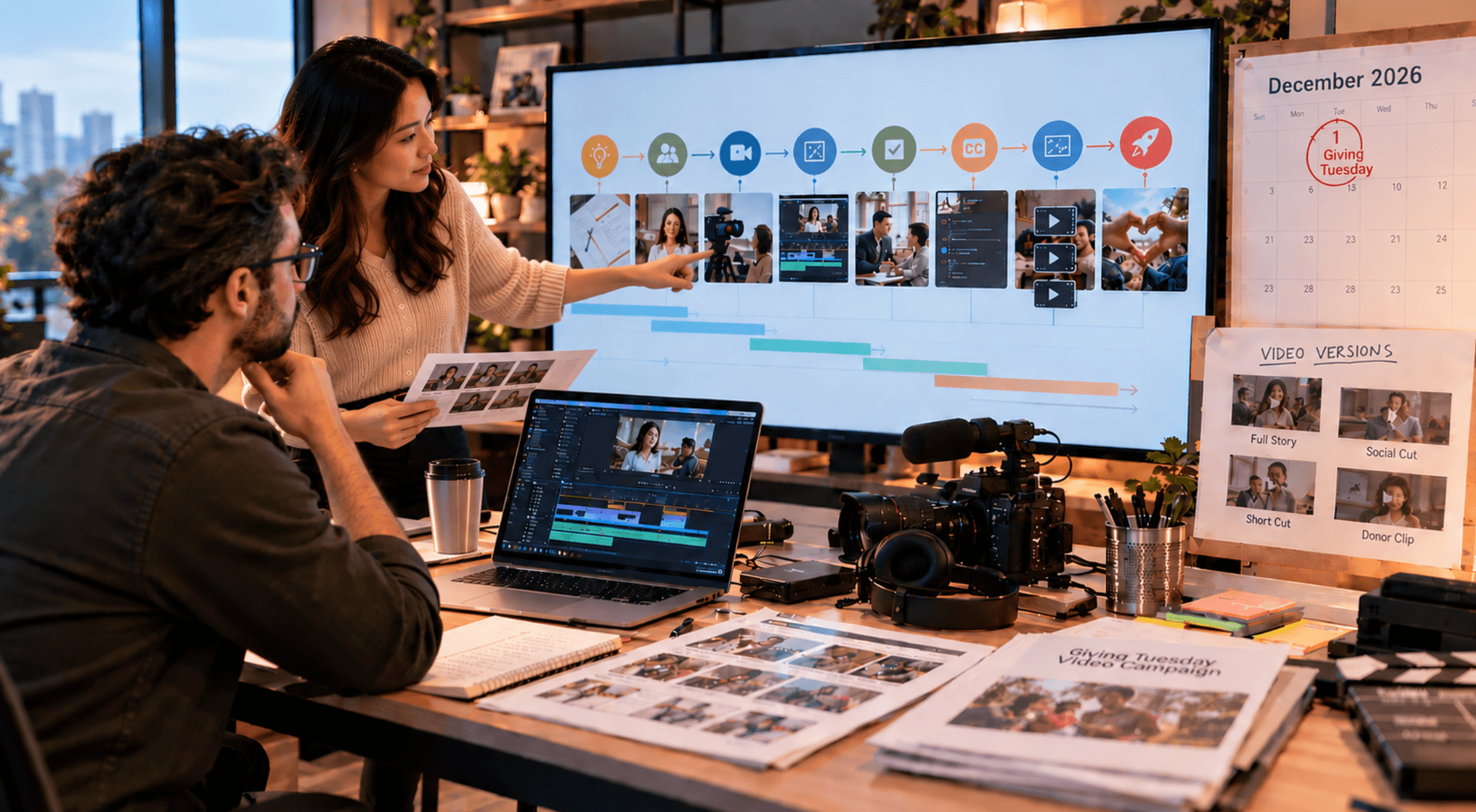
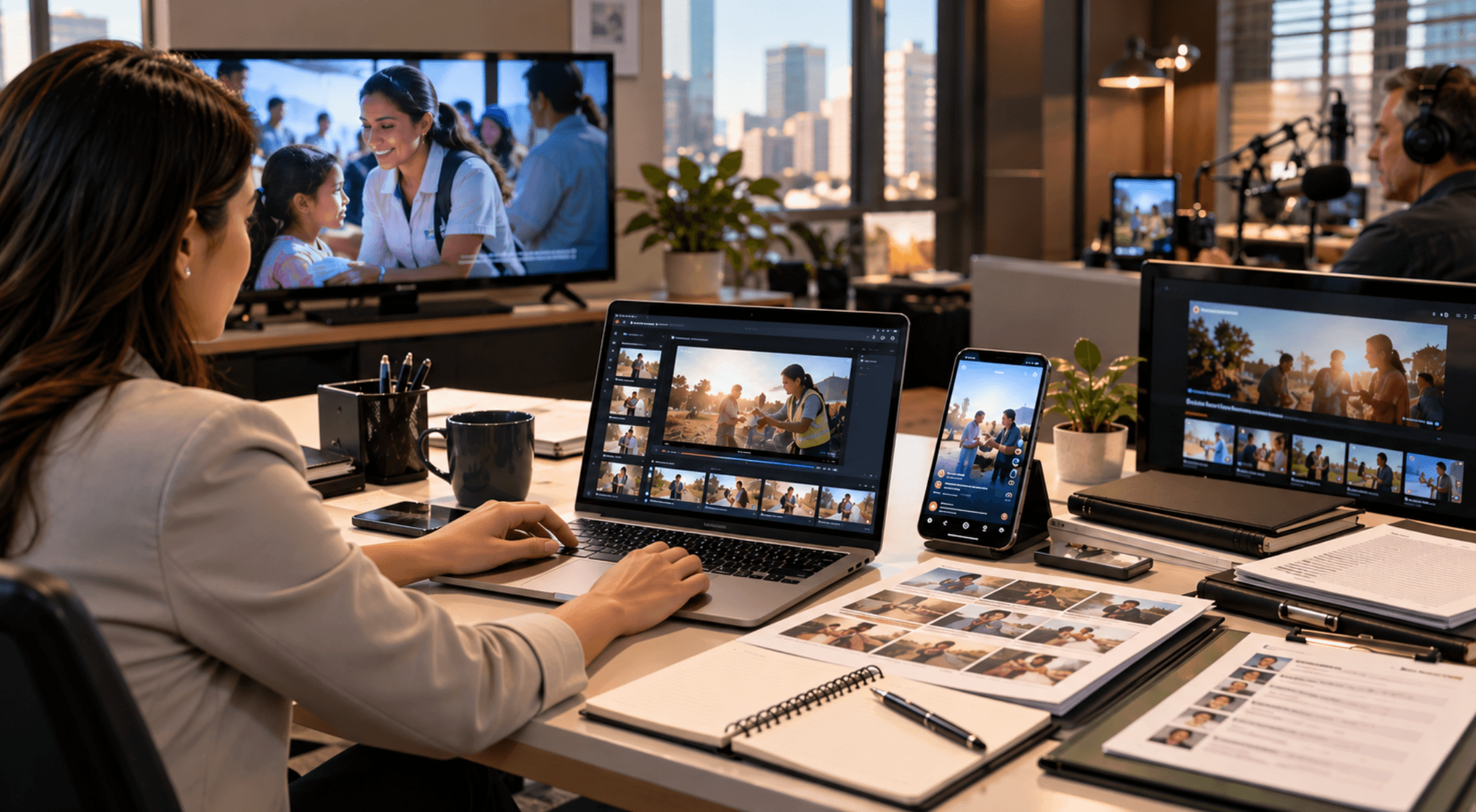
4. Do more with less. It's well known that many federal, state, and local government budgets were cut in 2025. Some departments may have even lost their entire communications or media teams. But that doesn't mean internal communication stops. Video can still be an affordable, efficient solution, especially when you repurpose content you already have. With video, you can reuse existing footage from past trainings, town halls, or outreach events for new internal updates. You can use still photos, graphics, and screen recordings to create "video-like" presentations without the cost of on-site shoots. Or, you can add new voice-overs or captions to update outdated videos instead of filming from scratch. By rethinking how you produce and package your messaging, you can keep informing, training, and connecting with employees without overspending. And by partnering with a professional video production company like RaffertyWeiss, you'll add a new extension to your communications team.
5. Keep messaging consistent. When you rely on written documents or live presentations alone, it’s easy for messaging to become diluted or misinterpreted across departments or locations. Video ensures your message is delivered consistently, whether it’s shown during onboarding in D.C. or at a field office in California. They can also align departments on goals, priorities, and strategic direction. Consistency isn’t just good for clarity; it also reinforces trust and unity across your workforce.
6. Foster a culture of continuous learning. Video-based e-learning enables government employees to build knowledge and skills at their own pace. Whether through short how-to videos or more comprehensive training series, e-learning content supports professional development and keeps employees motivated. You could create a video library that includes job-specific tutorials, workplace culture training, policy refreshers, and Q&A sessions.
7. Stay visible and transparent with employees. In large agencies, many employees rarely have direct interaction with senior leadership. Video bridges that gap by making leadership more visible and approachable. Whether it's a monthly or quarterly “State of the Agency” update, reporting on progress toward goals, or sharing agency-wide recognition, these types of videos foster a sense of connection between leadership and staff, encouraging two-way communication.
8. Reuse your content. Once you’ve created a video, you can incorporate it into various forms of internal communication, like emails, newsletters, and presentations. They can also be repurposed in numerous ways. For example, a 10-minute training video can be divided into 2-minute refreshers, and an initiative launch video can be reused as part of an internal awareness campaign or external outreach effort. After they're produced, videos become a long-term asset rather than a one-time tool.
Create Professional Videos for Your Government Agency
Government work can be complex. Your internal communication doesn’t have to be. Let video help you deliver important messages engagingly and at scale.
Contact RaffertyWeiss Media today to leverage our government video production expertise and create impactful content for your agency's training, outreach, or public service needs.
.webp)