February 25, 2026

How Much Does a Professional Video Production Service Cost?

How Much Does a Professional Video Production Service Cost?

A guide to understanding budgets, quality, and project value.

How Much Does a Professional Video Production Service Cost?

Quick Summary / Key Takeaways

  • Video production cost is primarily determined by the time required for planning, filming, and editing your specific project.
  • A professional video production service typically ranges from approximately $5,000 to $25,000 for many corporate and nonprofit projects, depending on scope, complexity, and production requirements.
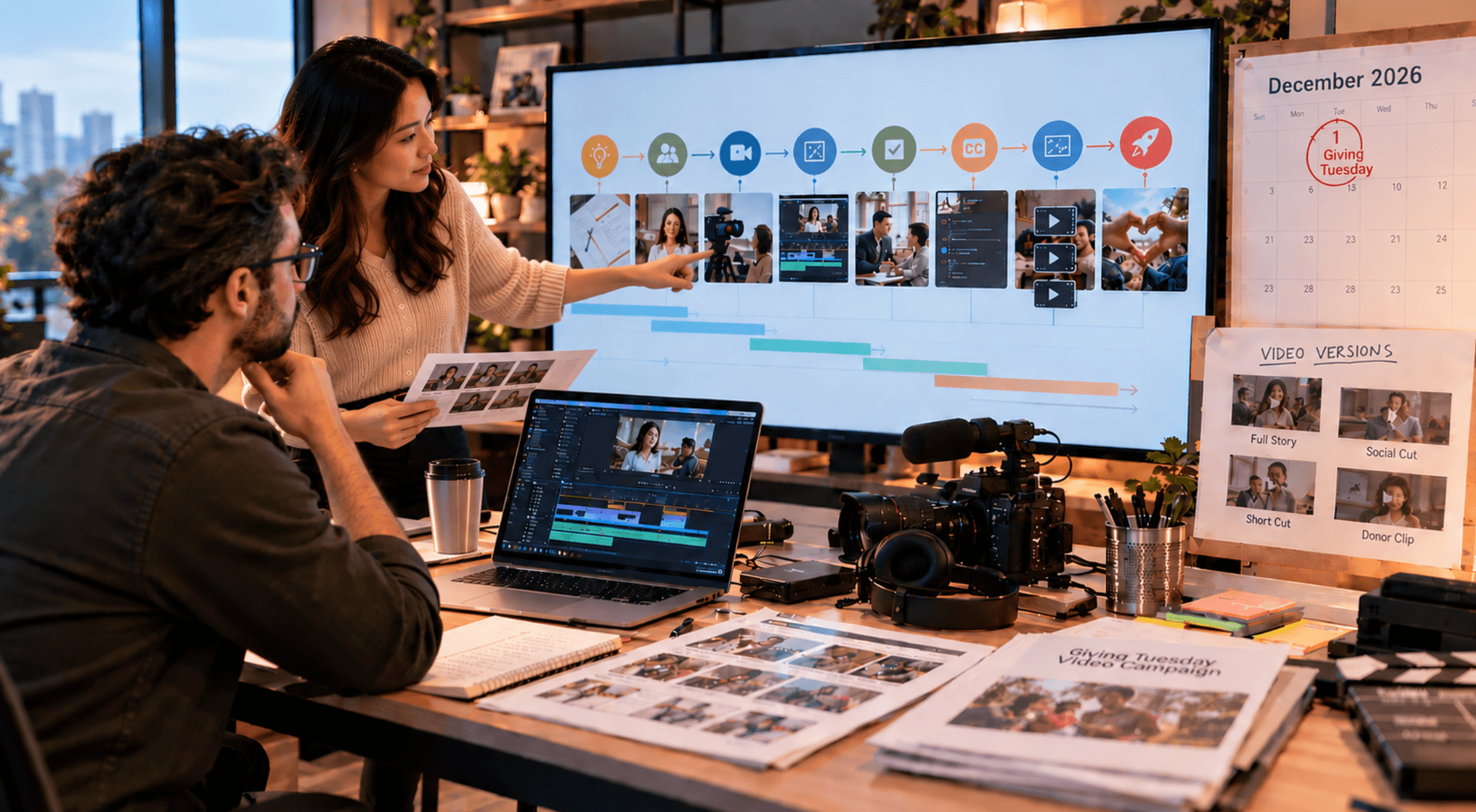
  • Pre-production planning is one of the most effective ways to protect your budget and ensure each filming hour is used efficiently and strategically.
  • Crew size and equipment requirements are major variables that influence overall cost, particularly for more complex or high-production projects with specialized needs.
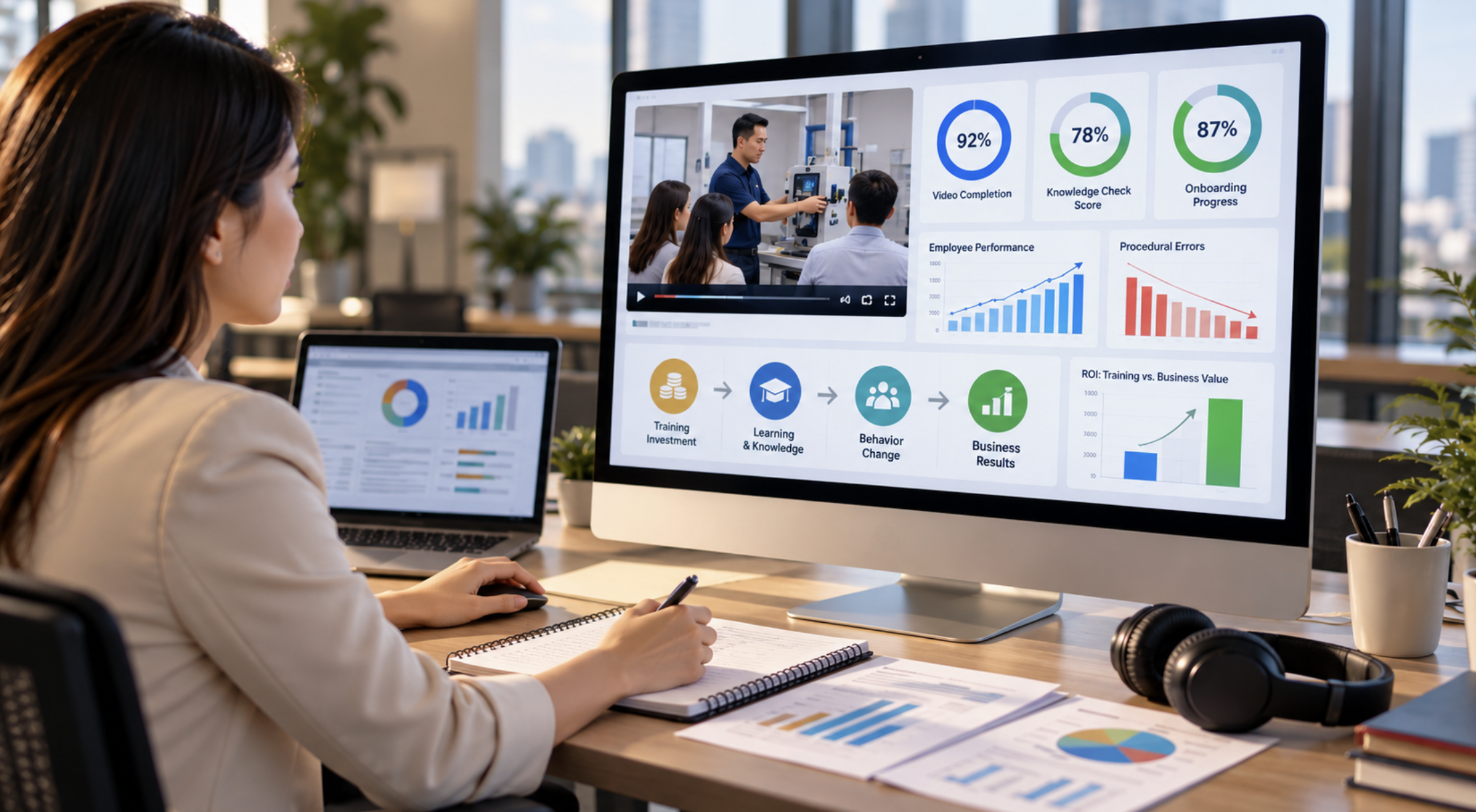
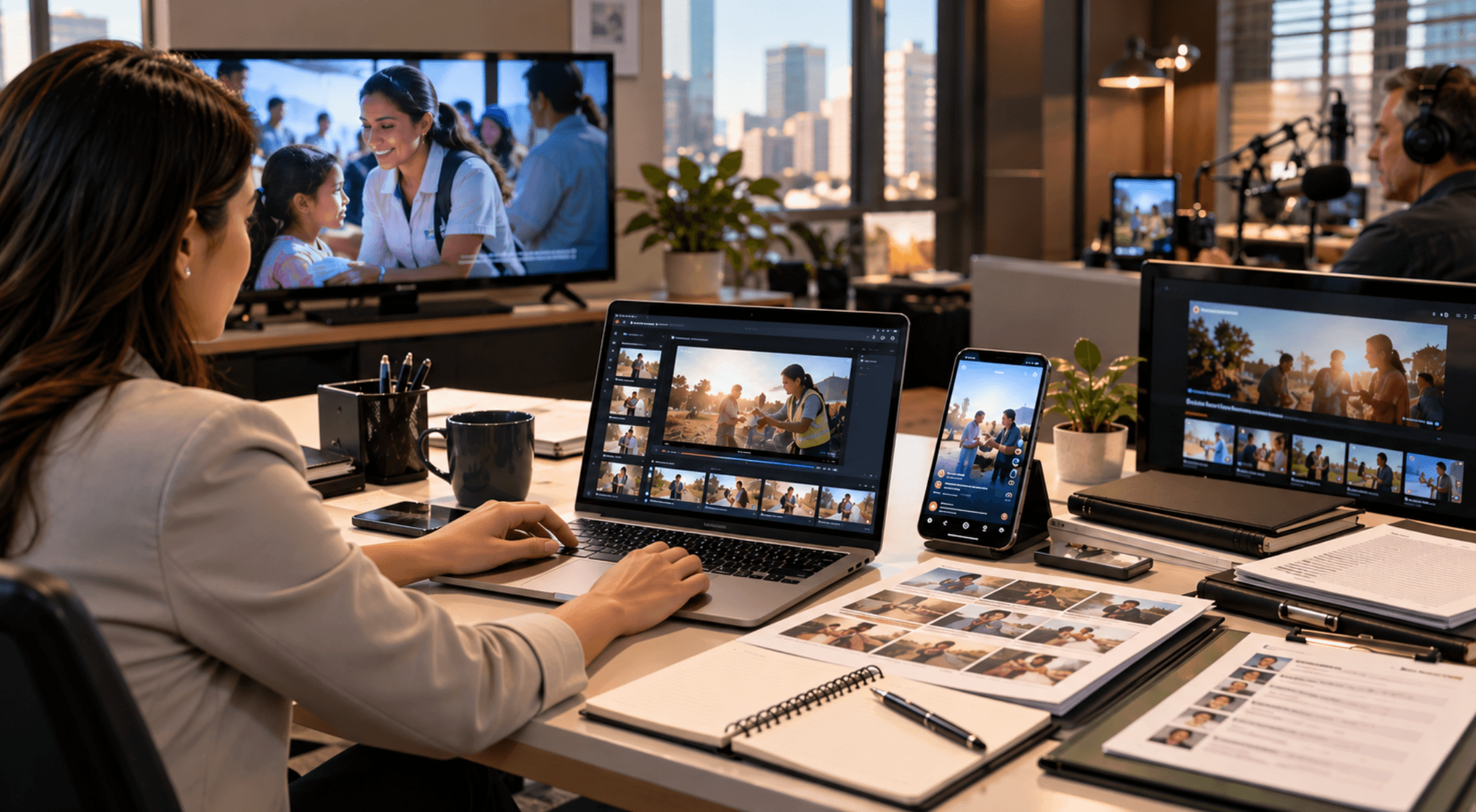
  • Post-production involves more than editing; it often includes sound design, color correction, and graphics that support clarity, consistency, and overall production quality aligned with your communication goals.

Introduction

Introduction

Understanding video production cost can feel challenging because no two projects are exactly alike. Whether you are a government agency in Washington, D.C., or a growing nonprofit, your budget should align with your communication goals, audience needs, and organizational priorities. Variables such as crew size, animation complexity, filming locations, and post-production requirements can significantly influence both cost and timeline.

This guide serves as a practical framework to help you understand how video production costs are shaped by the planning, labor, and expertise required to communicate clearly and responsibly. By outlining these factors transparently, RaffertyWeiss Media helps you plan with confidence, strengthen accountability, and allocate resources thoughtfully to support meaningful, well-crafted storytelling.

Average Video Production Cost by Project Type

Video TypeTypical Investment RangeEstimated Production TimelineKey Deliverables
Brand Story Film$7,500 - $20,0004 - 6 WeeksMain film and adapted versions for digital platforms
Animated Explainer$5,500 - $10,0003 - 5 WeeksCustom graphics and professionally recorded voiceover
Client Testimonial$5,500 - $10,0002 - 4 WeeksInterview and supporting b-roll to provide context
Training Series$8,000 - $25,0006 - 10 WeeksMultiple modules and supporting learning materials

Budget Allocation for Professional Production

Project PhasePercent of BudgetPrimary FocusCost Drivers
Pre-Production15% - 20%Scripting and planningResearch, creative development, and storyboarding to align with your goals
On-Site Filming35% - 45%Capturing the footageCrew size, equipment requirements, and location logistics based on project scope
Post-Production25% - 35%Editing and motionRevision rounds, audio finishing, and graphic integration to ensure clarity and consistency
Management5% - 10%Coordination and adminScheduling, client communication, and final delivery preparation for timely distribution

Planning and Pre-Production Checklist

  • Define your primary communication goal, target audience, and desired outcome clearly.
  • Draft a working script or bulleted list of key talking points to guide production and maintain message focus.
  • Secure your filming location and obtain any necessary permits early to avoid scheduling delays.
  • Establish a realistic timeline for review cycles and final delivery that reflects your internal approval process.

Post-Production and Distribution Checklist

  • Review the first draft for messaging accuracy, tone, and alignment with your objectives and organizational standards.
  • Provide consolidated feedback to the editing team to support an efficient and coordinated revision process.
  • Confirm that all licensing for music and stock footage is properly secured and documented.
  • Develop a distribution plan for social, web, and internal platforms to ensure your content reaches the intended audience effectively and responsibly.

Table of Contents

Section 1: Video Production Basics

  1. What is the average video production cost for a small project?
  2. Why do prices vary so much between different production companies?
  3. How much does video production cost for a basic interview?

Section 2: Factors Influencing Price

  1. How does the size of the film crew affect my total bill?
  2. What role does equipment quality play in the final cost?
  3. How much does video production cost when adding animation?
  4. Does filming on location in D.C. increase the project price?

Section 3: Budgeting and Planning

  1. Why is pre-production planning considered a cost-saving measure?

Frequently Asked Questions

Section 1: Video Production Basics

FAQ 1: What is the average video production cost for a small project?

A small, professional video project typically ranges from approximately $5,500 to $15,000 for a single day of filming with streamlined post-production based on scope and complexity. This budget often includes a two-person crew using high-definition cameras and professional audio equipment to ensure technical quality. You can expect a finished product that is clear, well-lit, and appropriate for social media, web platforms, or internal communications aligned with your communication goals. At this level, much of the investment supports the time, coordination, and expertise required for filming and initial editing.

Takeaway: Small projects remain cost-effective when logistics are well organized, objectives are clearly defined, and production is focused on a single location.

↑ Back to Table of Contents

FAQ 2: Why do prices vary so much between different production companies?

Pricing differences often reflect variations in experience, production approach, equipment standards, and the level of strategic planning included in a project as well as the complexity of your objectives. Some teams may focus primarily on technical filming, while others incorporate research, script development, and structured pre-production planning to strengthen message clarity and alignment.

You may also be investing in reliability, project management, and specialized expertise for elements such as motion graphics or complex post-production that require additional coordination. Larger firms often carry additional overhead, insurance coverage, and contingency planning that support risk management and operational continuity for high-stakes communications.

Takeaway: Differences in pricing often reflect the scope of strategy, expertise, and production support included in your project and the level of accountability you require.
Generating…

↑ Back to Table of Contents

FAQ 3: How much does video production cost for a basic interview?

A basic professional interview setup generally starts at approximately $3,500 and can range up to $7,500, depending on editing requirements and overall scope. This typically includes a videographer, professional lighting, and high-quality microphones to ensure the subject is seen and heard clearly. The cost reflects preparation time, the interview session itself, and post-production work to refine audio and visuals so your message is presented accurately and professionally. If you plan to record multiple interviews in a single day, the cost per interview may decrease due to shared setup and production time. This approach can help you build a consistent library of content that supports your broader communication strategy in a cost-efficient manner.

Takeaway: Scheduling multiple interviews in one production day can help you manage costs while creating a cohesive set of video assets aligned with your organization’s goals and audience needs.

↑ Back to Table of Contents

Section 2: FACTORS INFLUENCING PRICE

FAQ 4: How does the size of the film crew affect my total bill?

Crew size is a significant factor in your budget because each team member brings specialized expertise to a specific part of the production process. A standard crew may include a director, director of photography, sound technician, and production assistant, with each role supporting technical quality, coordination, and overall storytelling clarity. Clear role definition helps reduce the risk of delays and preventable production issues that can affect timelines or message consistency.

While a smaller crew may lower upfront costs, a larger team can often work more efficiently and manage complex lighting setups, multi-camera coverage, or compressed production schedules. The right balance depends on your project’s communication goals, timeline, and level of complexity. Thoughtful planning around crew size is an important part of responsible budget management and operational reliability.

Takeaway: Aligning crew size with your project’s scope helps you manage resources carefully while maintaining clarity, quality, and production integrity.

↑ Back to Table of Contents

FAQ 5: What role does equipment quality play in the final cost?

High-end equipment such as cinema-grade cameras and professional lighting systems can increase overall cost, but they also support greater visual consistency and technical reliability. Advanced camera sensors perform more effectively in challenging lighting conditions, which can be important in offices, classrooms, or industrial environments where lighting may be limited or uneven. Professional audio equipment helps reduce background noise and ensures that voices are captured clearly and accurately, supporting message clarity.

You are also investing in the upkeep, calibration, and insurance required to maintain this equipment responsibly. While basic tools can produce usable footage, professional gear helps create a polished, cohesive presentation that reflects attention to detail and reinforces credibility with your audience.

Takeaway: Thoughtfully selected professional equipment helps you maintain clarity, reliability, and a finished product that aligns with your organization’s standards and communication goals.

↑ Back to Table of Contents


FAQ 6: How much does video production cost when adding animation?

Animation costs depend on the complexity of the visuals and the level of custom illustration required to support your message. Simple 2D motion graphics may add approximately $2,500 to a project, while a fully animated three-minute explainer can range from $5,000 to $15,000, depending on scope, creative development, and revision needs. This investment typically includes concept planning, illustration, animation, and editorial integration to ensure the visuals align with your overall communication strategy.

Animation can be especially effective when you need to explain abstract concepts, policy details, or processes that are difficult to capture on camera. It also offers flexibility, allowing you to update specific elements as your messaging or program priorities evolve over time.

Takeaway: Animation can strengthen clarity and long-term adaptability, particularly when your message involves complex or evolving information that benefits from visual explanation.

↑ Back to Table of Contents

FAQ 7: Does filming on location in D.C. increase the project price?

Filming in Washington, D.C. can increase costs due to permitting requirements, parking limitations, and security protocols near federal buildings and public facilities. Some high-visibility locations require advance coordination and may involve location fees to ensure compliance with local regulations and public access guidelines.

In many cases, alternative locations can provide a similar visual context with fewer logistical constraints. If a specific D.C. setting is essential to your message, those requirements are typically addressed during early planning and reflected transparently in your project estimate. An experienced local team can help you navigate permits, scheduling, and site coordination so your production remains organized, compliant, and aligned with your communication goals.

Takeaway: Careful planning and local expertise help you manage Washington, D.C. logistics responsibly and support a smooth, well-coordinated production experience.

↑ Back to Table of Contents

Section 3: Budgeting and Planning

FAQ 8: Why is pre-production planning considered a cost-saving measure?

Pre-production is the phase where you define scope, clarify messaging, and align logistics before filming begins. By finalizing your script, confirming locations, and developing a clear shot list in advance, you reduce uncertainty and make more efficient use of your production time.

This stage also allows you to identify potential challenges, such as sound concerns, access restrictions, or lighting conditions, before a full crew is on-site. In many cases, thoughtful preparation can streamline what might otherwise require additional shoot days or revisions.

Pre-production provides the structure that helps you manage timelines, allocate resources responsibly, and maintain alignment with your communication objectives.

Takeaway: Careful planning helps you use production time effectively while protecting your budget, schedule, and message integrity.

↑ Back to Table of Contents

David Miller

David is a veteran producer with over 15 years of experience managing complex video projects for government agencies and global brands.


Article Summary

Learn about video production cost and how much does video production cost for your next project. Get transparent pricing for corporate and agency videos.